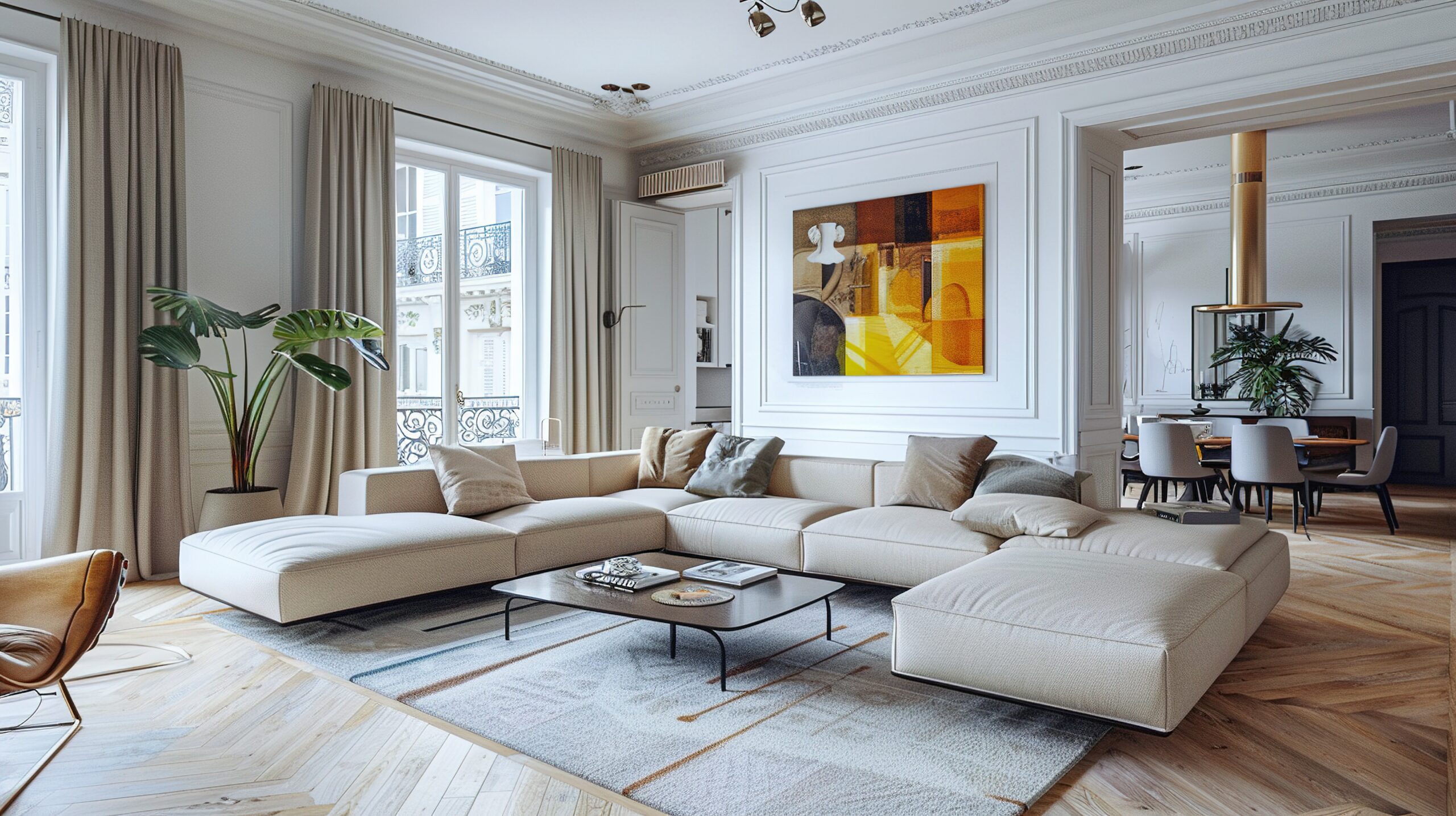

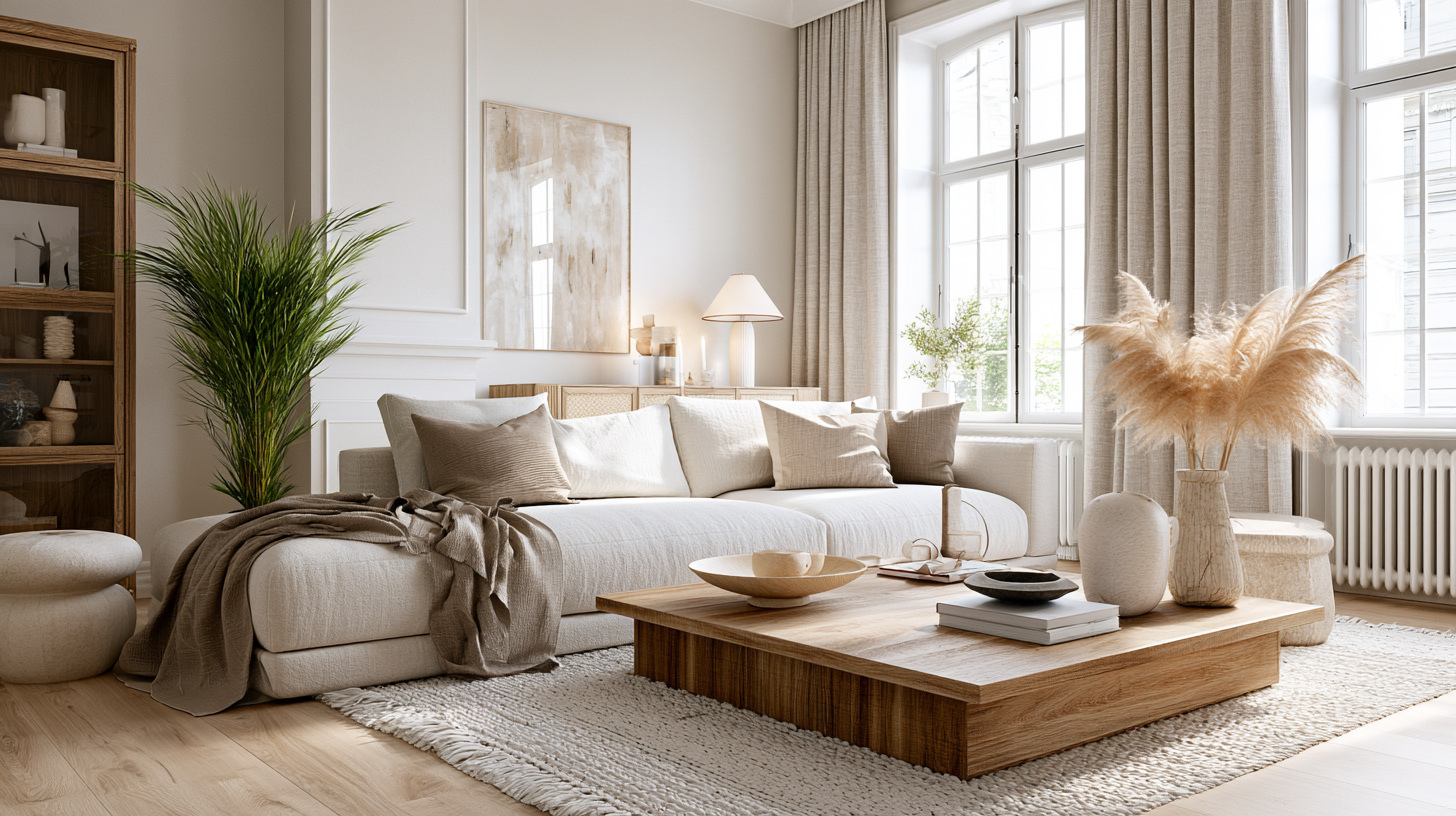
Why Scandinavian Design Is Neuroaesthetics in Practice
13 July 2026
Neuroaesthetics explains what a good Scandinavian room has always done instinctively — this is the science behind why it works.
Scandinavian design lowers your heart rate before you've even noticed why. That's not a marketing line: it's neuroaesthetics, the science of how our brains respond to beauty, and it explains exactly what Nordic designers have understood for a century without needing the terminology.
Neuroaesthetics is the study of what happens in the brain and body when we encounter a well-made space: measurable changes in stress hormones, heart rate, and cognitive load. Researchers at institutions like Johns Hopkins have spent the last few years proving, with brain scans and cortisol tests, what a good Scandinavian room has always done instinctively. The aesthetic isn't just pleasant. It's regulating.
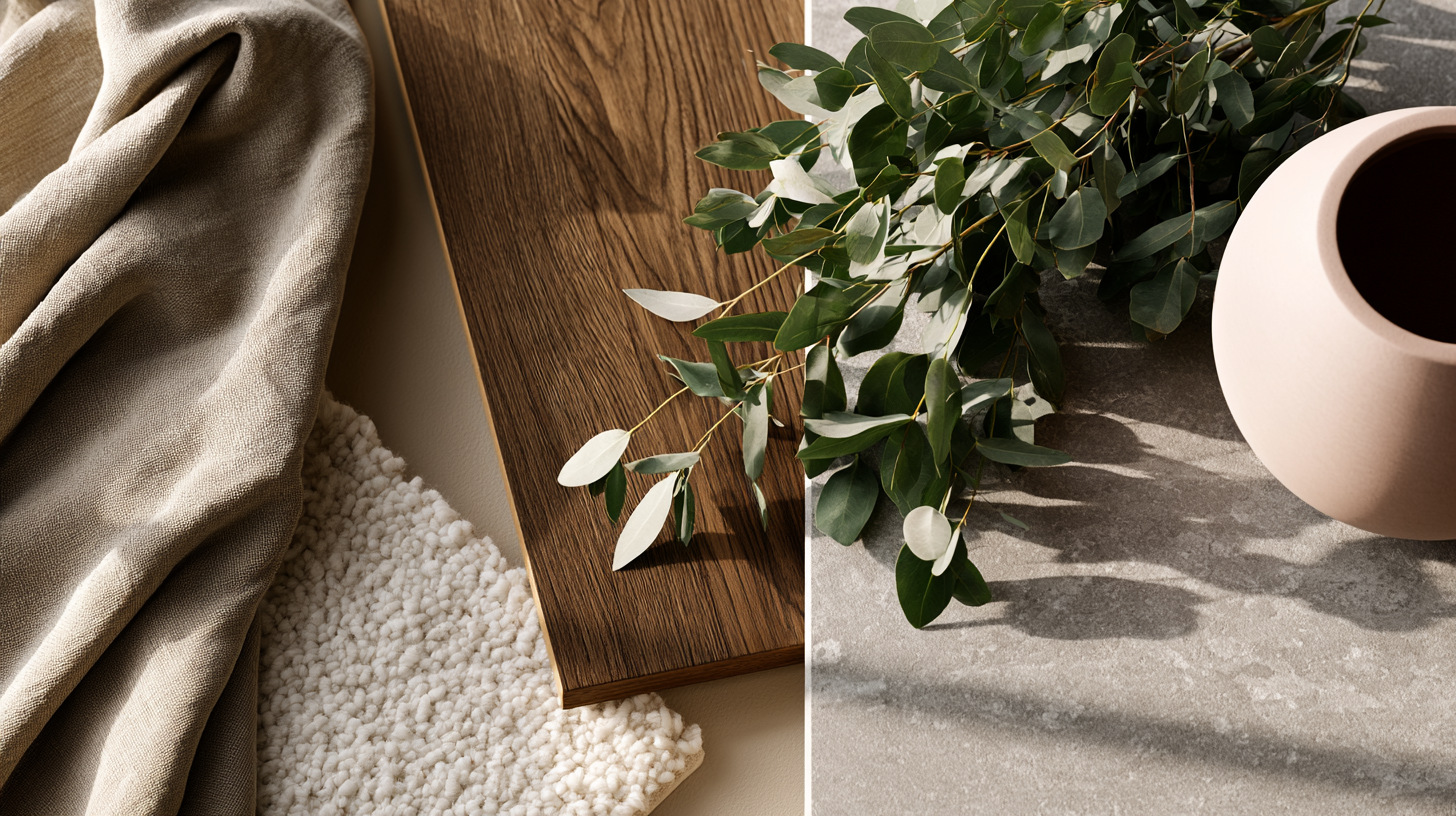
What actually happens in your brain in a Scandi-style room
<br>
Three things, mainly.
<br>
<strong>Reduced visual complexity lowers cognitive load.</strong> A cluttered room asks your brain to process dozens of competing shapes, colours, and textures at once. A pared-back one doesn’t. Clear sightlines and uncluttered surfaces read as safe and predictable to the amygdala — the part of your brain responsible for threat detection — which is a clinical way of saying a tidy room stops your nervous system from quietly bracing itself.
<br>
<strong>Natural materials measurably reduce stress.</strong> Wood grain, stone, wool, linen — the textures Scandinavian design leans on aren’t just tactile preferences. Exposure to natural materials and organic, fractal-like patterns has been linked to lower cortisol and steadier heart rate, the same biophilic response you get from being near a tree. A room finished in oak and linen isn’t just handsome. It’s doing something to your physiology.
<br>
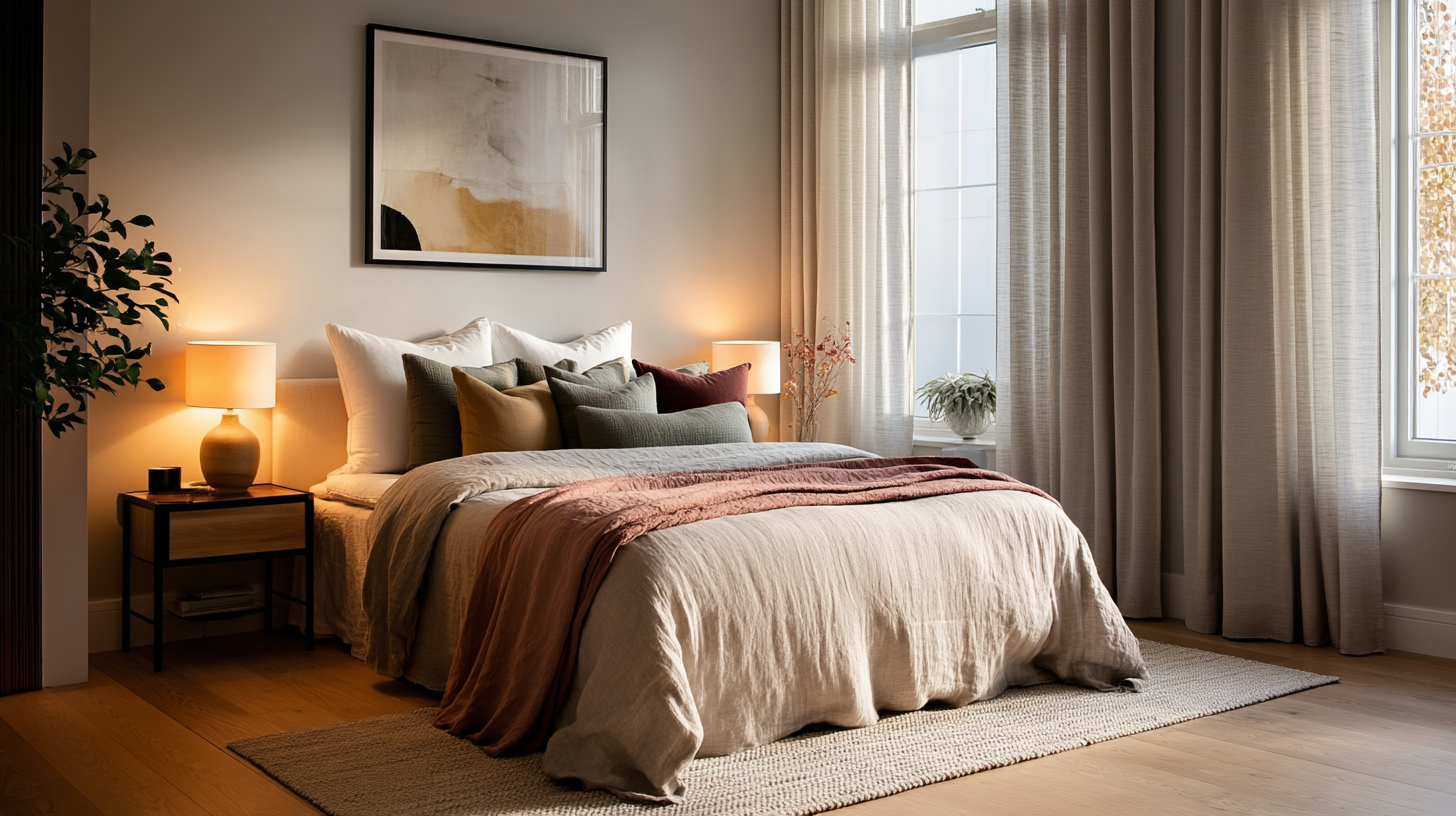
<strong>Light does more work than you’d think.</strong> Scandinavian design’s obsession with daylight — big windows, sheer curtains, layered lamps instead of one harsh overhead — isn’t just a Nordic response to short winters. Natural light exposure supports serotonin production and helps regulate circadian rhythm, which is part of why a well-lit room feels easier to think in, not just nicer to look at.
<br>
Why “uncluttered” isn’t the same as “empty”
<br>
Here’s where a lot of Scandi-style rooms get it wrong, and where the neuroscience is genuinely instructive: restraint and emptiness are not the same thing. A 2026 shift in interiors writing has been reframing this directly — cold, chalk-white minimalism is giving way to something warmer: honey oak instead of bleached ash, bouclé and heavy linen instead of polished concrete, curved furniture instead of sharp edges. The research backs the shift. A stripped-back room with nothing to anchor it doesn’t calm the brain — it just looks like a showroom. The nervous system responds to warmth and texture as much as it responds to order.
<br>
This is precisely the distinction we mean by <em>Living Order</em>. Uncluttered doesn’t mean absent. A room can be spare and still feel unmistakably lived-in — and the neuroscience suggests that’s not a stylistic nicety, it’s the whole point. A space designed only to photograph well and a space designed to lower your shoulders when you walk in are not the same project, even if they look similar from the doorway.
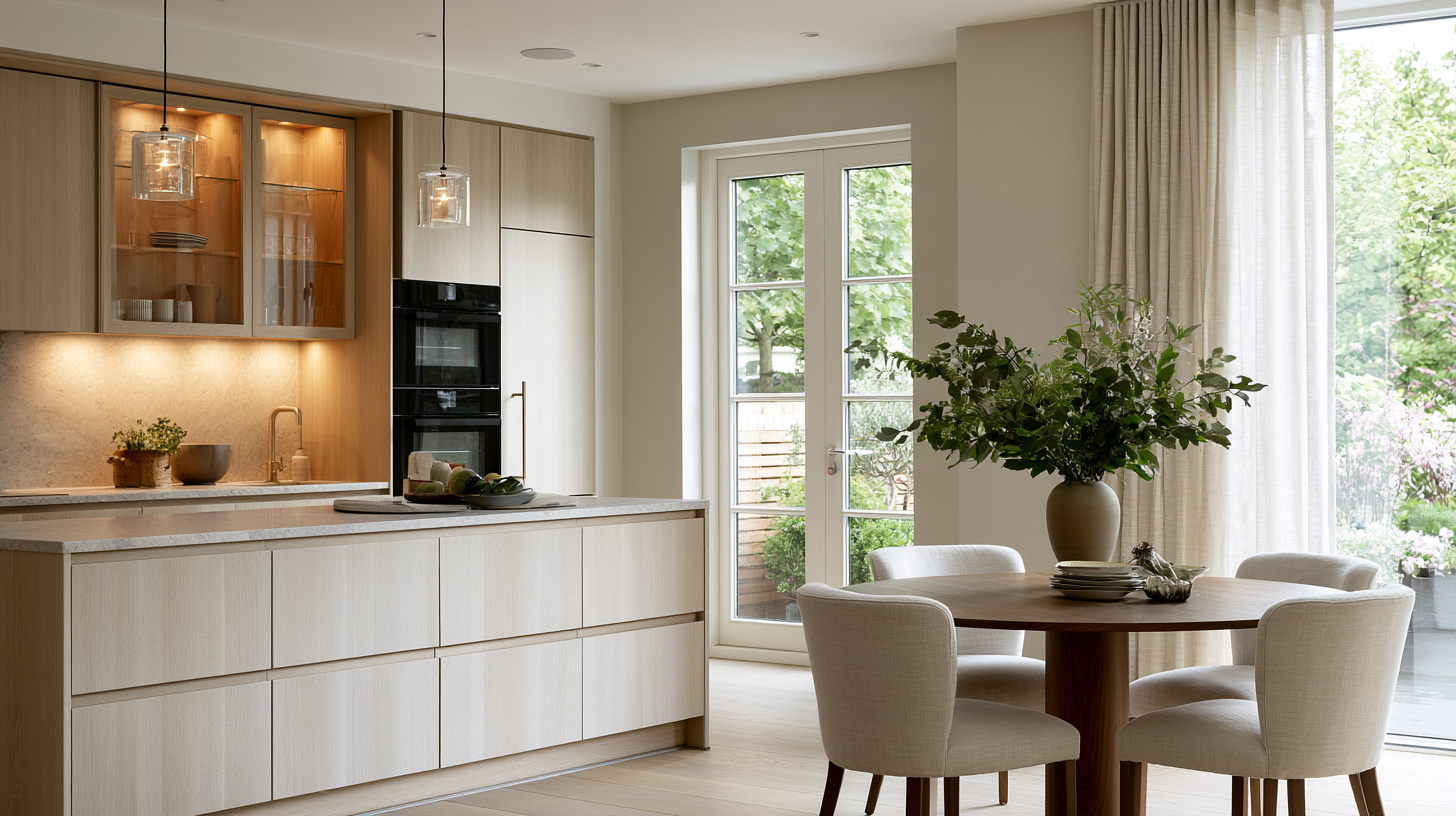
The bigger shift: from decoration to therapeutic design
<br>
What’s changing in 2026 isn’t the Scandinavian aesthetic itself — it’s how it’s being understood. Designers and researchers increasingly describe it as <em>therapeutic design</em> rather than a decorating style: a deliberate buffer against the cognitive overload of modern life — notifications, open-plan offices, endless scrolling — rather than a passing look. The Scandinavian designers who established these principles decades ago were solving for long, dark winters. We’re now using the same tools to solve for something more diffuse: a kind of constant, low-grade overstimulation that never quite switches off.
<br>
That reframing matters for anyone planning a renovation. It means the brief isn’t “make it look Scandinavian.” It’s “make it a place your nervous system can actually rest in” — and the two aren’t automatically the same thing without a designer who understands why each material and sightline choice is doing more than sitting there looking good.
<br>
So what does this mean for your own space?
<br>
You don’t need to memorise the neuroscience to benefit from it. You need a designer who already has — someone thinking about sightlines, material warmth, and light the way a neuroaesthetics researcher would, while still making decisions that suit how you actually live, not just how a room photographs.
<br>
That’s the difference between a space that’s technically correct and one that’s genuinely calming. The research is simply confirming what good design has always tried to do: build a home you don’t want to leave on a Sunday, for reasons your body understands even when your eye can’t quite articulate them.
FAQ: Scandinavian Design and Neuroaesthetics
<br>
Q: Is neuroaesthetics just a trendy word for minimalism?
No. Minimalism is about reduction: fewer things, less colour. Neuroaesthetics is about effect: what a space measurably does to your stress levels, focus, and mood. A minimalist room can still feel cold if it ignores the warmth and texture your nervous system responds to.
<br>
Q: Does Scandinavian design actually reduce stress, or does it just look calm?
Both, based on the research. Reduced visual clutter lowers cognitive load, natural materials are linked to lower cortisol, and daylight-focused layouts support serotonin and circadian rhythm. The look and the physiological effect come from the same design choices.
<br>
Q: Can a small single room benefit from a neuroaesthetic approach, or does it need a full renovation?
A single room. Sightlines, material choice, and light are decisions you make room by room, not house by house — a well-planned room deserves the same care as a well-planned house.
<br>
Ready to bring this into your own home?
<br>
If you’d like a space that does more than photograph well, we’d love to talk. Get in touch for a consultation — whether it’s one room or a full renovation, we’ll bring the same rigour to it either way.
<br>