
Modern Classic Interior Design: Old and New, Done Well
27 September 2025
Modern classic interior design is enjoying more than a moment: across design coverage this year it's turning up under half a dozen names (modern heritage, transitional, grand millennial, contemporary classic) all describing the same instinct: keep the character of a traditional home, but let it live comfortably alongside something clean and current. The appeal is easy to understand. Pure minimalism can feel like a hotel. Pure period style can feel like a museum. Most people, reasonably, want neither.
<br>
Modern classic interior design fails when the two eras sit politely side by side. It works when one is clearly speaking through the other.
What actually makes an interior “modern classic” rather than just eclectic?
<br>
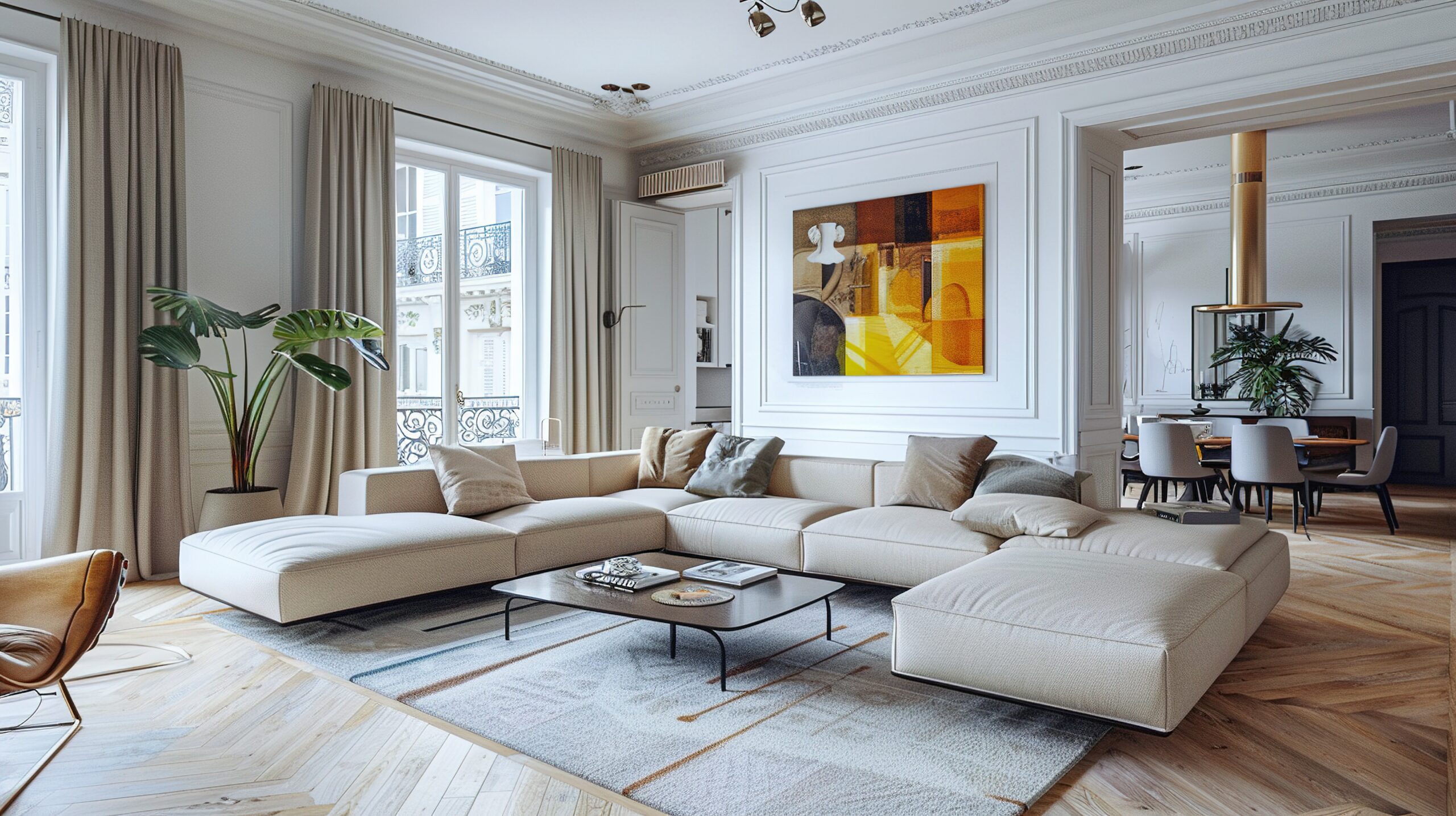
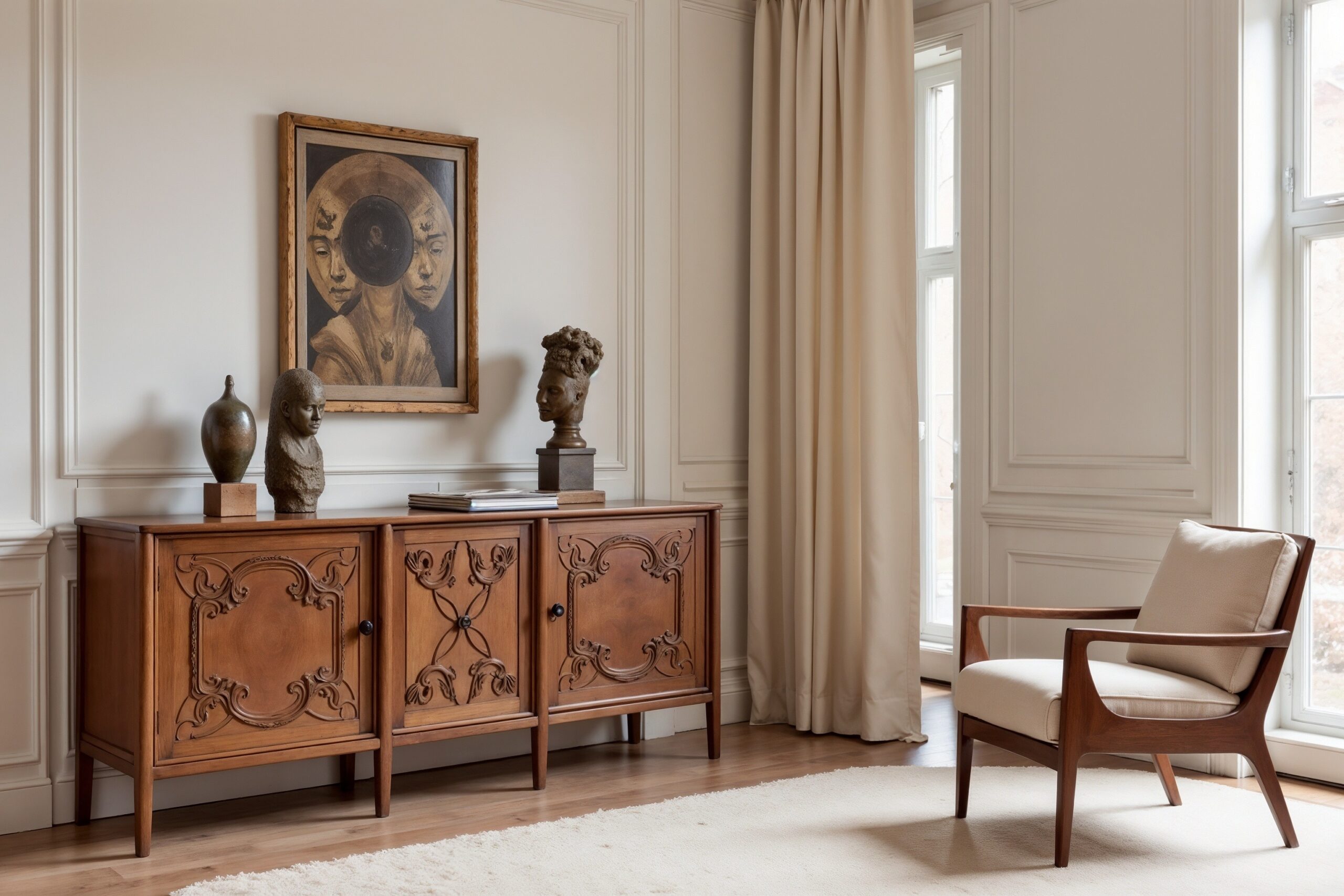
The difference is intention, not inventory. A room with a Georgian cornice, a mid-century sofa and a contemporary light fitting isn’t automatically modern classic — it’s just a room with three good things in it that may or may not agree with one another. What makes the style work is a clear sense of which era is doing the structural talking and which is doing the styling. Usually, it’s the architecture — mouldings, proportion, panelling, flooring — that supplies the “classic,” while furniture, lighting and materials supply the “modern.” Reverse that relationship without meaning to, and a room stops reading as considered and starts reading as a showroom that couldn’t decide.
How do you combine traditional and contemporary without it looking like two different rooms?
<br>
A few principles do most of the work, and they’re less about taste than about sequencing.
<br>
Let the architecture set the terms first.
Mouldings, panelling, herringbone floors, generous proportions: these are slow, structural decisions, and everything modern layered on top should be reacting to them, not competing with them. A home with strong existing architectural bones can carry cleaner, quieter furniture than one without; the structure is already doing the work of “classic,” so the furnishings don’t have to.
<br>
Balance runs in one direction at a time.
If the shell of a room leans traditional, the furnishings tend to want to lean modern, and vice versa — rarely both leaning the same way, which is usually what tips a room into pastiche. It’s a genuinely useful diagnostic when a room feels “off”: check whether the architecture and the furniture are pulling in the same direction rather than balancing each other.
<br>
Materials should feel intentional, not accumulated.
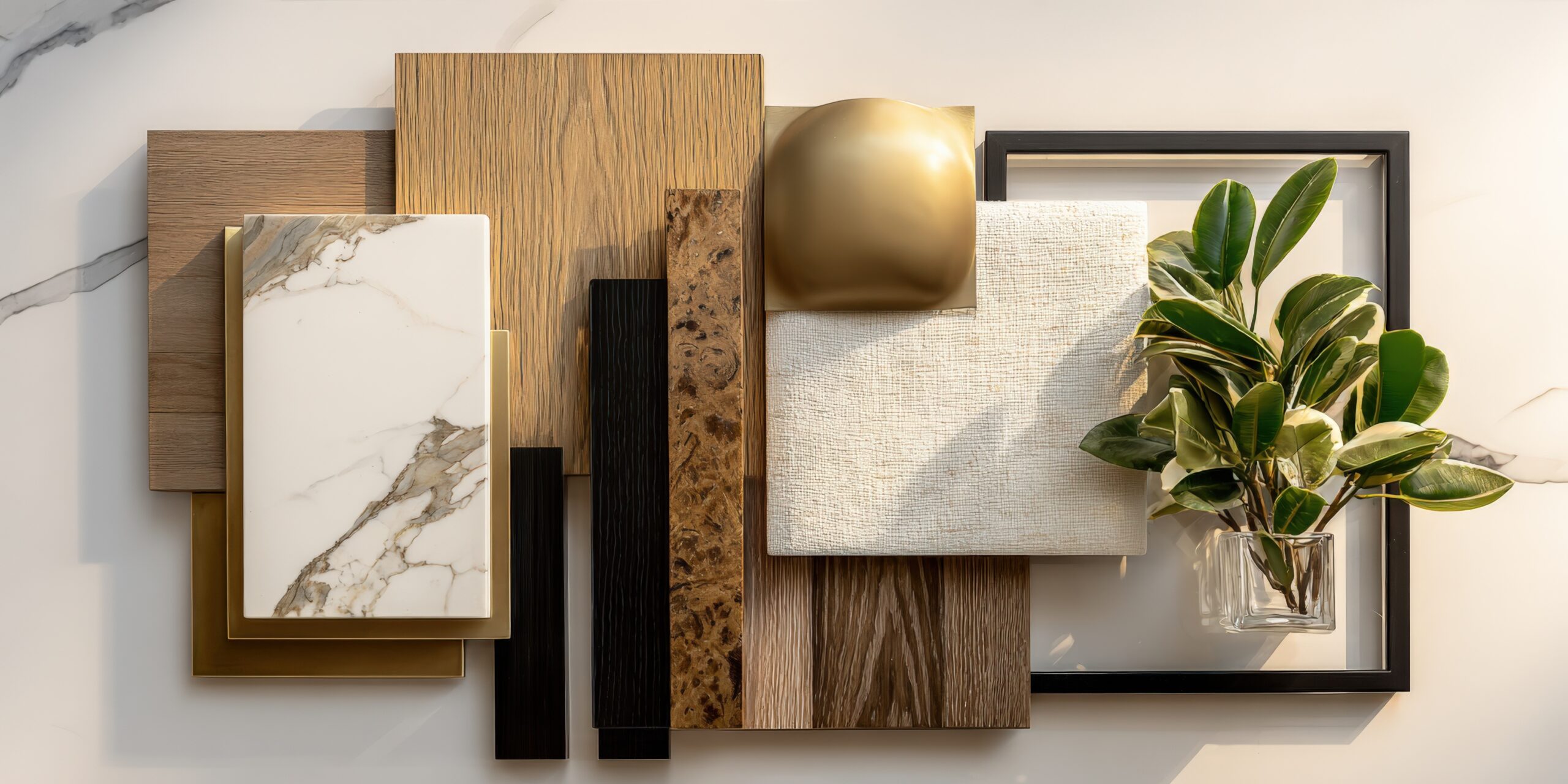
Marble, brushed brass, walnut, velvet: modern classic interiors tend to use rich, tactile materials, but the ones that succeed use two or three with conviction rather than five with hesitation. The tell of an unresolved room is often not too little material, but too much variety with no clear hierarchy between them.
<br>
Curate rather than collect.
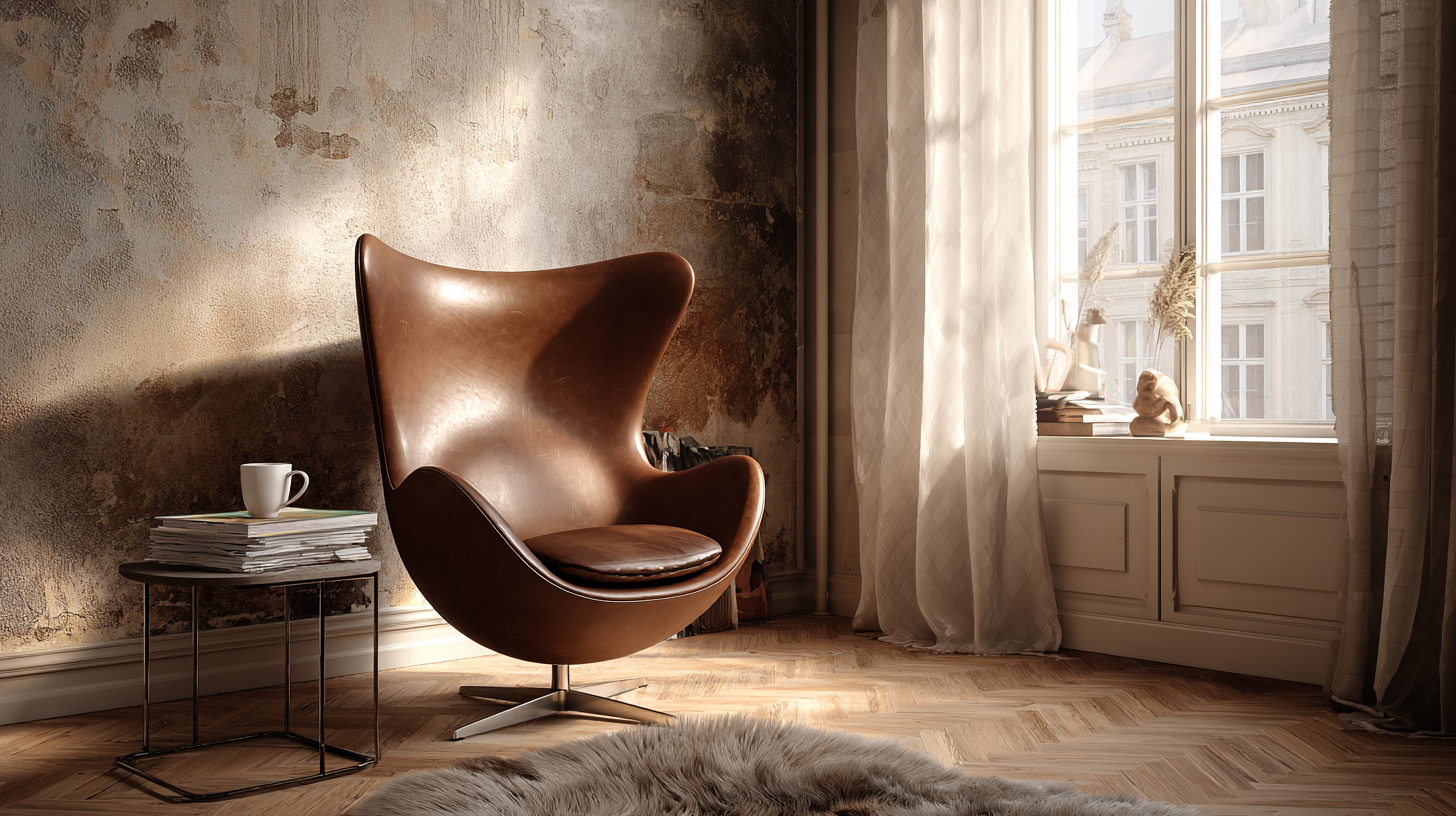
The style rewards restraint in its detailing: a single well-chosen period piece, like an antique mirror in an otherwise pared-back room, says more than a room full of “nods” to history scattered without a throughline. As design coverage of the trend notes, the strongest modern classic interiors tend to feel personal and layered rather than styled to a formula — which is really another way of saying: fewer decisions, made with more conviction, beat more decisions made cautiously.
Does “old and new” mean the same thing in every home?
<br>
Not remotely, and this is where the style gets more interesting than the trend pieces usually let on. Working across London, Lisbon and Stockholm makes the differences hard to miss. In London, “classic” is often already built in: period conversions come with cornicing, sash windows and proportions that were never going anywhere, so the work is largely about restraint: choosing modern elements considered enough not to fight what’s already there. In Lisbon, heritage tends to live in materials rather than architecture — azulejo tilework, ironwork, timber — which means the “classic” layer is often introduced through surface and craft rather than structure. In Stockholm, the housing stock skews newer, so there’s often no existing “old” to react to at all; character has to be deliberately brought in through furniture, joinery or reclaimed materials, rather than uncovered and preserved.
<br>
None of this changes the underlying principles. It changes which decisions matter most, and in what order — which is exactly why “modern classic” as a look is easy to describe in general, and considerably harder to get right in a specific home without knowing which of these three starting points you’re actually working from.
The takeaway
<br>
Modern classic interior design isn’t a formula of moulding-plus-sofa-plus-restraint. It’s a sequencing decision: which era sets the structure, which supplies the styling, and how much of each a specific home already has to work with before a single furnishing decision gets made. Done well, it doesn’t read as a mix at all. It reads as one considered home that happens to draw from more than one period.
<br>
At Sense & Solace, this is usually where a project actually begins: not choosing between old and new, but working out what each home already has of both, before deciding what it still needs.
FAQ: Modern Classic Interior Design
<br>
Q: What is modern classic interior design?
A style that combines traditional architectural features such as mouldings, panelling, classic proportions, with contemporary furnishings and materials, rather than replicating either era fully.
<br>
Q: Can modern classic work in a contemporary home with no period features?
Yes, though the approach differs: character has to be introduced deliberately through furniture, materials or joinery rather than drawn from existing architecture.
<br>
Q: How do I avoid a modern classic room looking mismatched?
Keep the balance running in one direction — a traditional shell paired with modern furnishings, or a contemporary shell paired with period pieces, rather than mixing strongly traditional and strongly modern elements in the same layer.
<br>
Q: Is modern classic the same as transitional design?
They overlap significantly and are often used interchangeably, though “transitional” tends to describe the furniture style specifically, while “modern classic” more often describes the whole-room relationship between architecture and furnishing.
<br>
If your home has good bones but doesn’t yet feel resolved, start with a conversation. Book a discovery call to discover how we can bring your vision to life, beautifully.