


Lighting Design: Why It Can’t Wait Until the End
20 February 2025
Lighting design decides whether a beautifully finished room actually feels finished, and it decides that months before anyone chooses a single fixture. Most people treat lighting as the last item on the list: get the layout right, get the sofa right, then "sort the lighting." By the time they get to it, the walls are plastered, the sockets are set, and the only decisions left are cosmetic ones. The room was never going to feel wrong because of the lampshade. It was always going to feel wrong because of when the lighting was decided.
<br>
Lighting doesn't fail at the fitting stage. It fails at the planning stage — usually months before anyone's thinking about fittings at all.
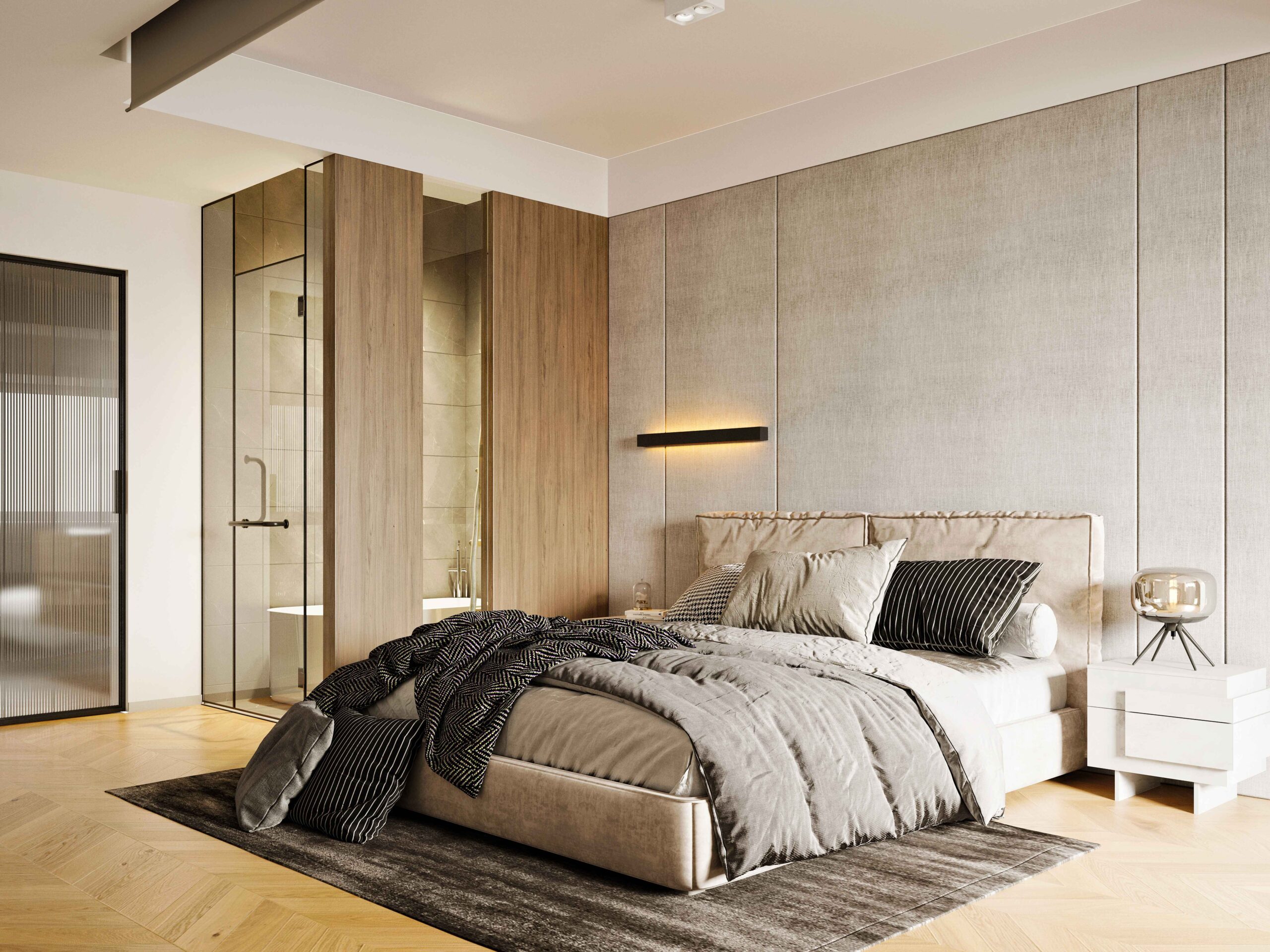
Why does lighting so often feel wrong, even in a beautifully finished room?<br>
</br>
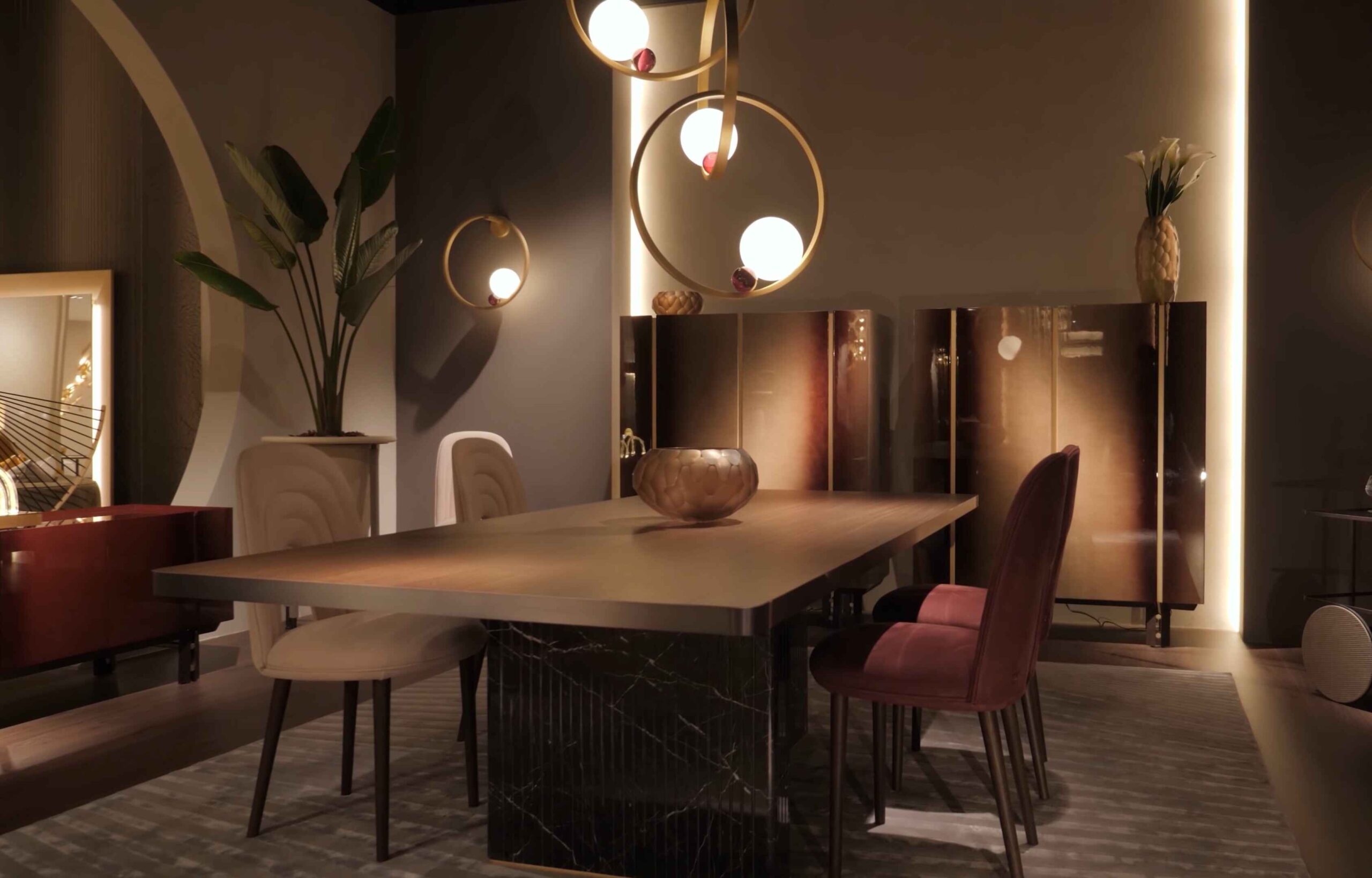
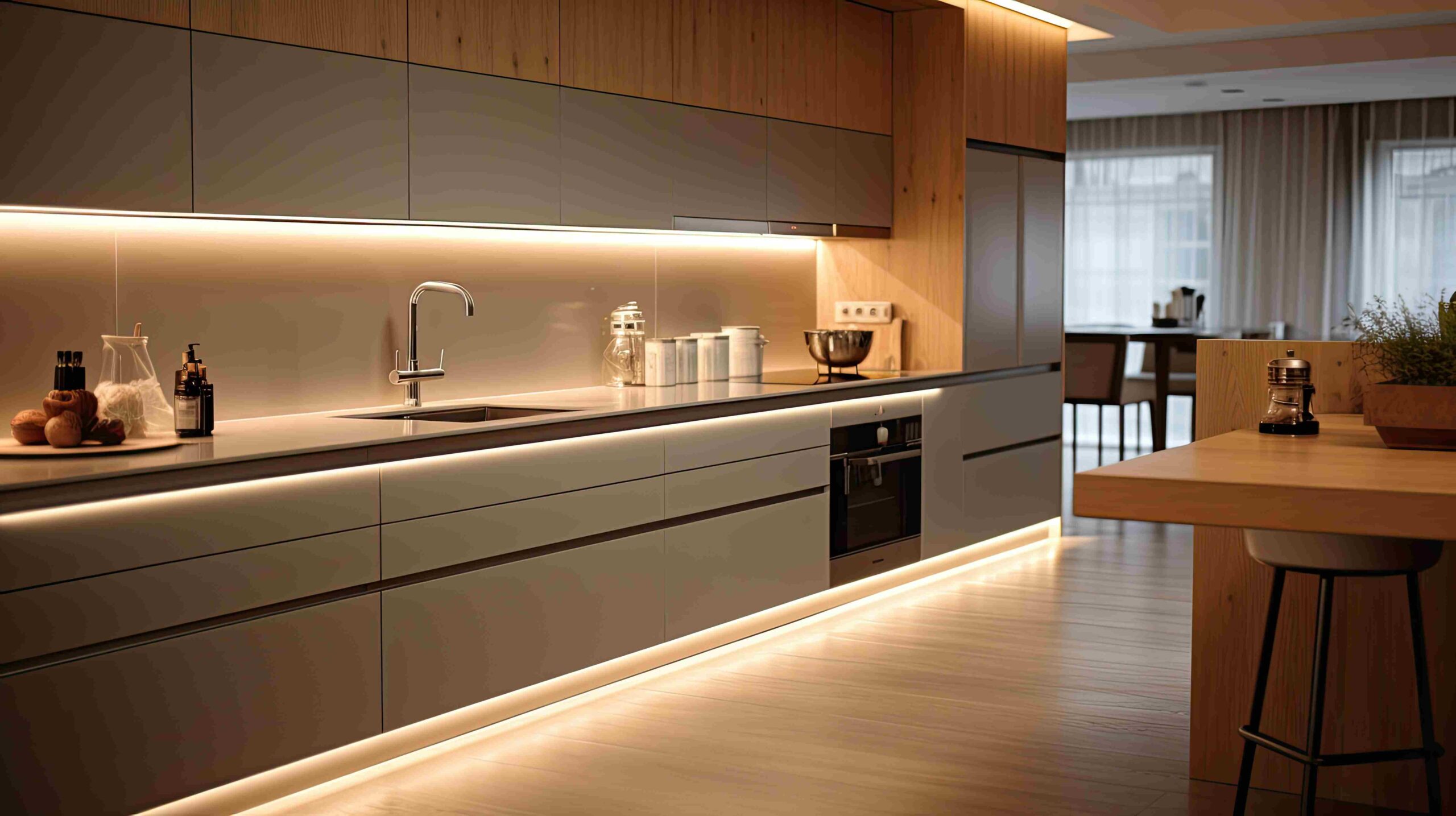
Because good lighting is a layout decision, not a shopping decision. A room needs light doing several jobs at once – general illumination, task light for reading or cooking, accent light that gives a space depth after dark – and each of those jobs needs its own circuit, its own switch, and its own position, decided before the electrician’s first fix. Buy the most elegant pendant in the world and wire it to the wrong switch plate, and you’ve bought a very expensive single point of light in a room that needed six.
<br>
This is the gap between a room that’s correctly furnished and a room that’s actually resolved. You can have excellent taste in fittings and still end up with a living room that’s either clinically bright or, worse, has one sad lamp in the corner doing all the emotional work. Lighting design, properly done, is choreography. It’s decided at the same time as the layout, not applied to it afterwards like a coat of paint.
<br>
When should lighting actually be decided?<br>
</br>
At first fix: the point where cables get run behind plaster, before walls are closed up. That means lighting has to be planned at the same stage as the layout itself: where the seating goes, where the artwork will hang, where the kitchen island sits. Ask any electrician what the most common request is on a renovation and the answer is usually the same: “can we add another socket / spotlight / switch here,” asked after the walls are already closed, at a cost and a mess nobody budgeted for.
<br>
A properly sequenced project resolves lighting during design, not during snagging. That’s the difference between a plan and a patch job, and it’s exactly why lighting sits inside our Design Stage, not as an afterthought tacked onto Deliver stage.
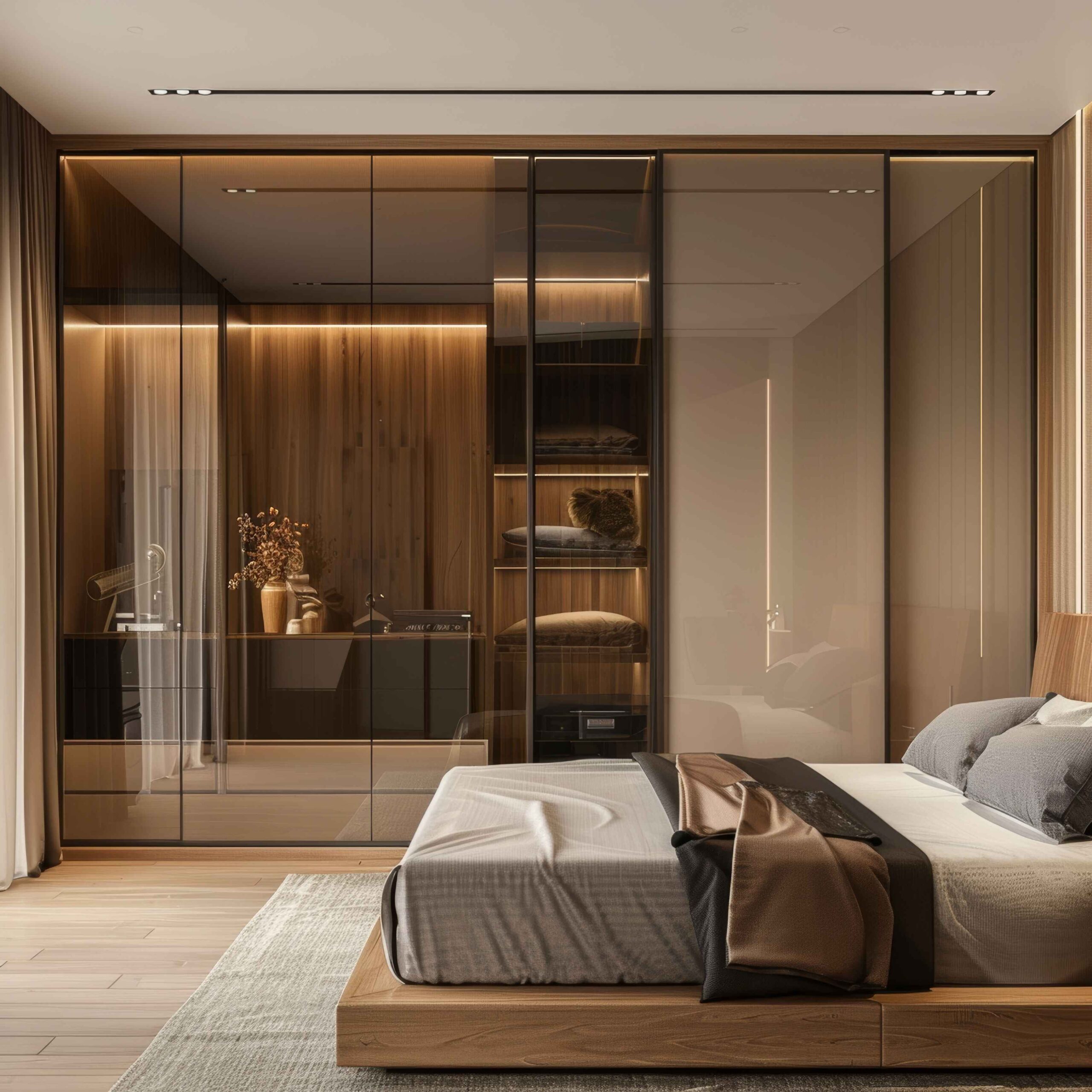
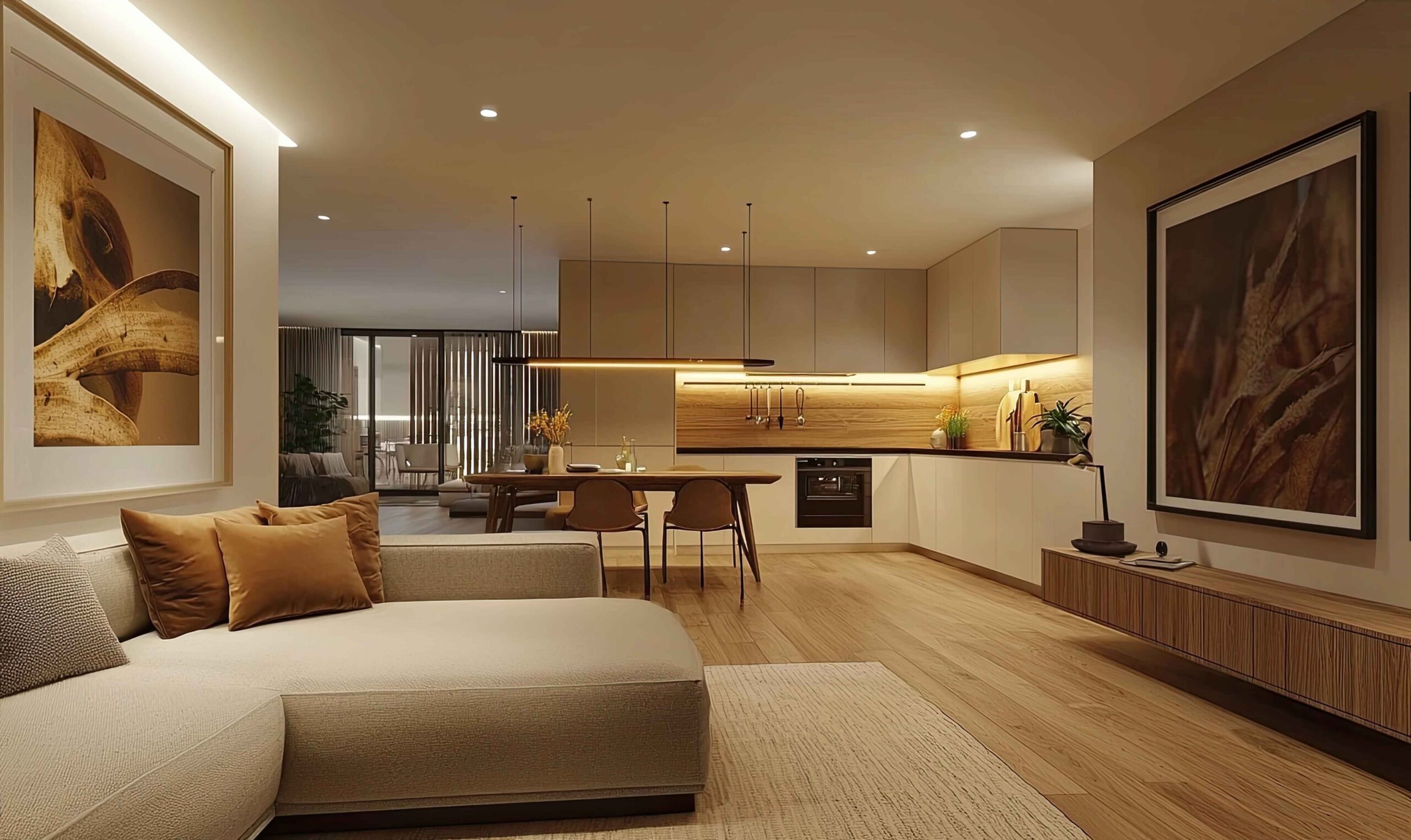
What happens when it’s left too late? <br>
</br>Picture a fairly typical scenario: a well-proportioned sitting room, freshly renovated, beautifully furnished – and lit by a single central pendant because that’s where the original wiring happened to be. Every evening, the room defaults to one flat wash of light with no way to soften it, no way to highlight the artwork over the fireplace, no way to make the reading chair feel like anywhere you’d actually want to sit after dark. Nothing about the furniture is wrong. The room simply had no lighting plan, only a light fitting – chosen after the decisions that mattered had already been made without it.
</br>
That’s a familiar enough shape: it’s the single most avoidable regret in a renovation, and the easiest one to fix in advance for close to nothing, because it costs nothing to think about switches before the plaster goes up. It costs a great deal to think about them after.
</br>
Designing light for London, Lisbon and Stockholm<br>
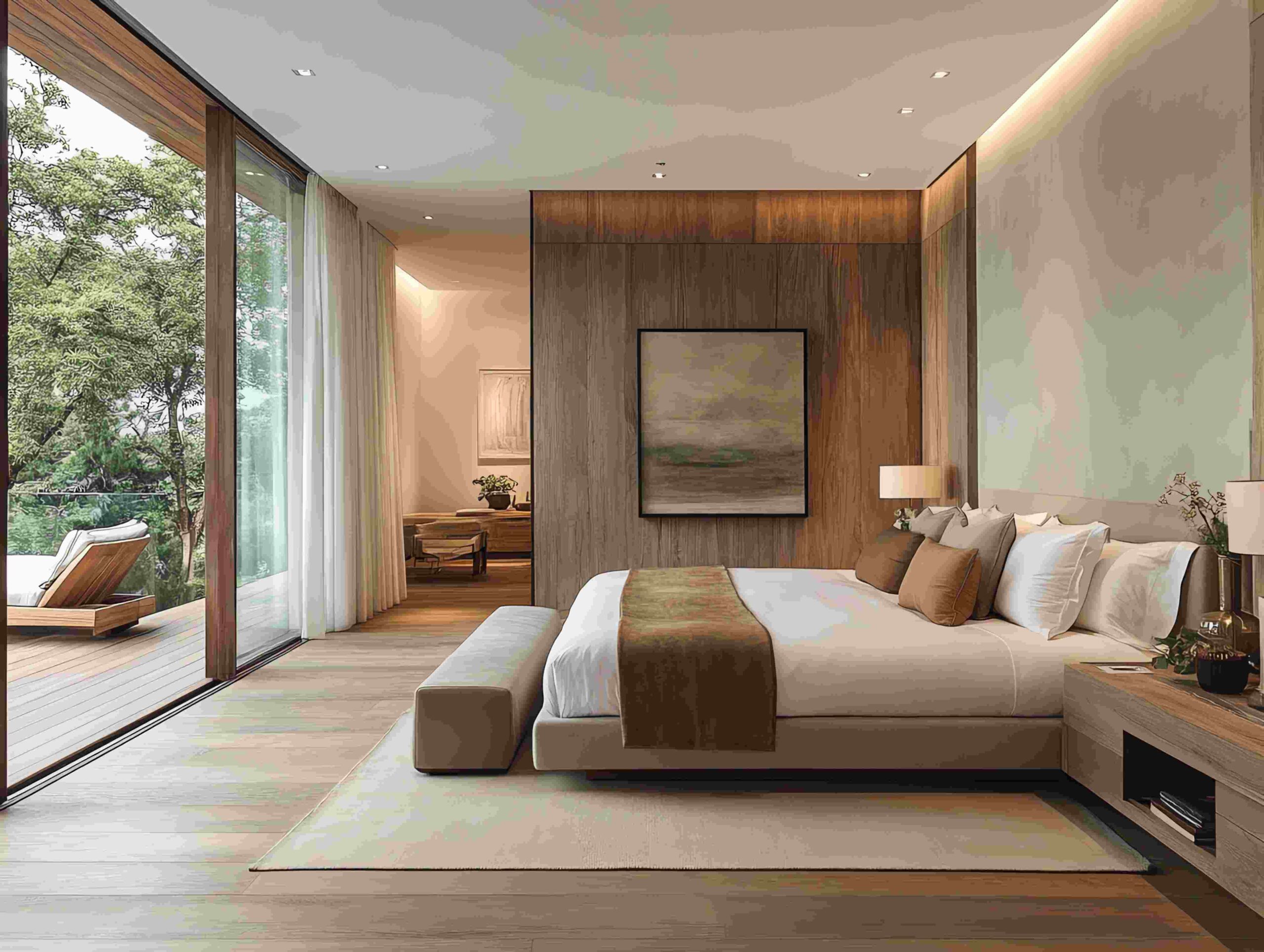
</br>One thing working across three cities teaches you quickly: light itself isn’t the same everywhere. London’s daylight is low, grey and changeable for much of the year, which means interiors need lighting that can carry a room convincingly through a 4pm dusk in November. Stockholm’s winters ask for something warmer still, layered light that compensates for genuinely short days without tipping into gloom. Lisbon runs the other way: strong, direct Atlantic light for much of the year, where the challenge is softening and controlling brightness rather than adding to it. A lighting plan that ignores the latitude it’s sitting in is working against the climate, not with it. This is one of the quieter reasons lighting deserves a proper plan rather than a catalogue order: what works in one city can be the entirely wrong answer in another.
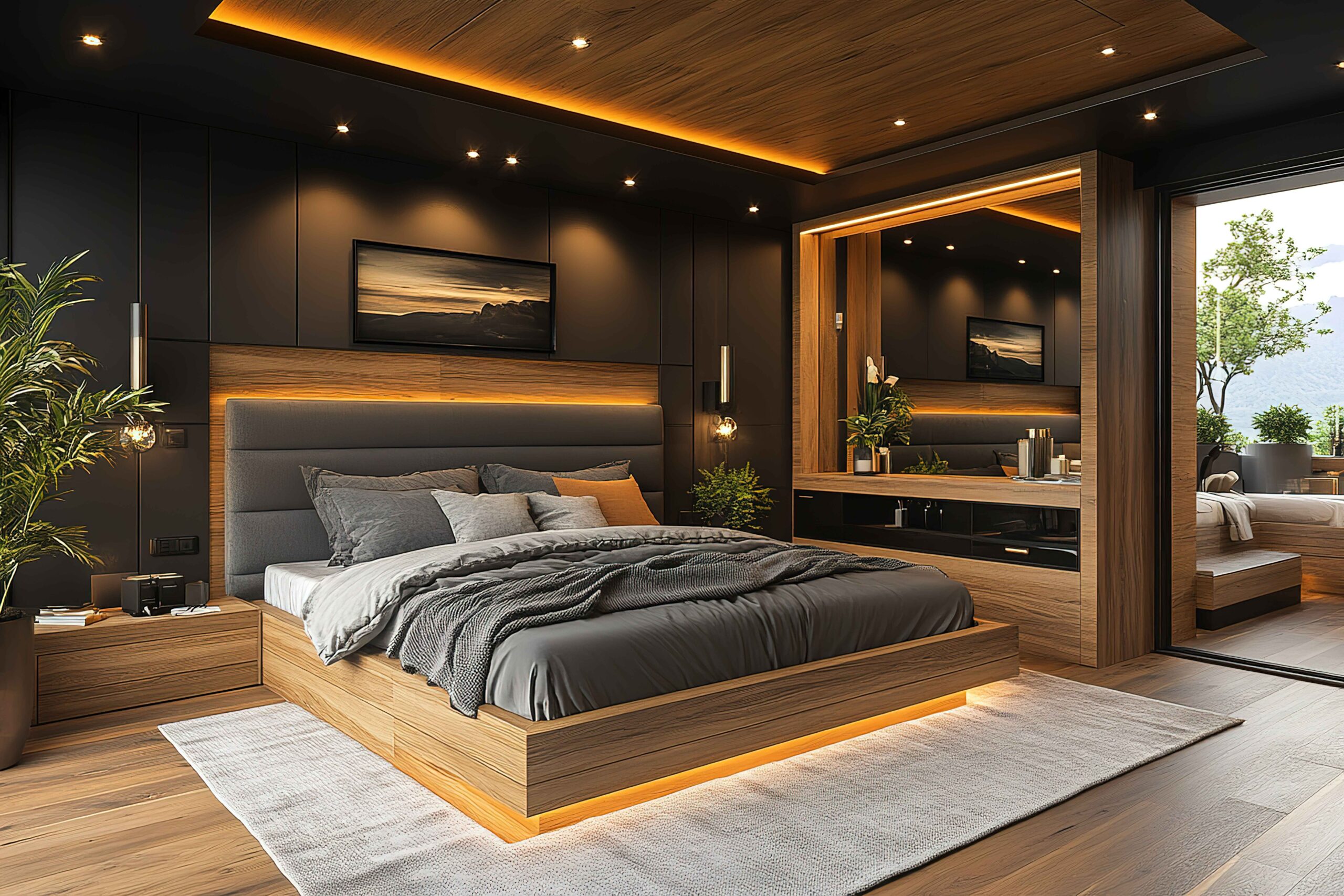
The takeaway<br>
<br>Lighting design isn’t a finishing touch. It’s structural: decided with the layout, wired before the walls close, and specific to the room, the household and, it turns out, the city it’s in. Get it right at the planning stage and the room simply works, morning and evening, without anyone quite being able to say why. Get it wrong and no fitting, however handsome, will fix it after the fact.
</br>
If there’s one thing worth taking from this: before you choose a single lamp, ask where the switches are going. That question, asked early enough, does more for a room than almost any object you could put in it.
</br>If you’re planning a renovation and want the lighting resolved before the walls close, not after, start with a conversation. Book a discovery call with Sense & Solace today and experience the difference.
FAQ: Lighting Design in Renovations
<br>
</br>Q: At what stage of a renovation should lighting be planned?
At first fix: alongside the layout, before walls and ceilings are closed up. Deciding fittings afterwards only settles the cosmetic layer; the positions, circuits and switching need resolving much earlier.
<br></br>
Q: Can lighting be added or changed after a renovation is finished?
To a limited extent – plug-in lamps and some retrofit options exist – but rewiring for new circuits or switch positions after walls are plastered means opening them back up, which is disruptive and avoidable with earlier planning.
<br></br>
Q: How many types of lighting does a room actually need?
Most rooms need a mix of general, task and accent lighting working together, each on its own control. The right balance depends on the room’s use, not a fixed formula.
<br></br>
Q: Does lighting design need to change depending on location or climate?
Yes – daylight quality varies significantly by latitude and season, and a lighting plan that ignores this will fight the room’s natural light rather than complement it.
<br></br>
Q: Why work with a lighting designer rather than choosing fittings myself?
A lighting designer plans circuits, positions and layering at the same time as the room’s layout, before the electrics are fixed – which is the stage where lighting mistakes are made or avoided.
<br></br>