
Spatial Planning: Mastering the Flow in Luxury Interiors
2 May 2025
How thoughtful interior layout design transforms the way we live
<br>
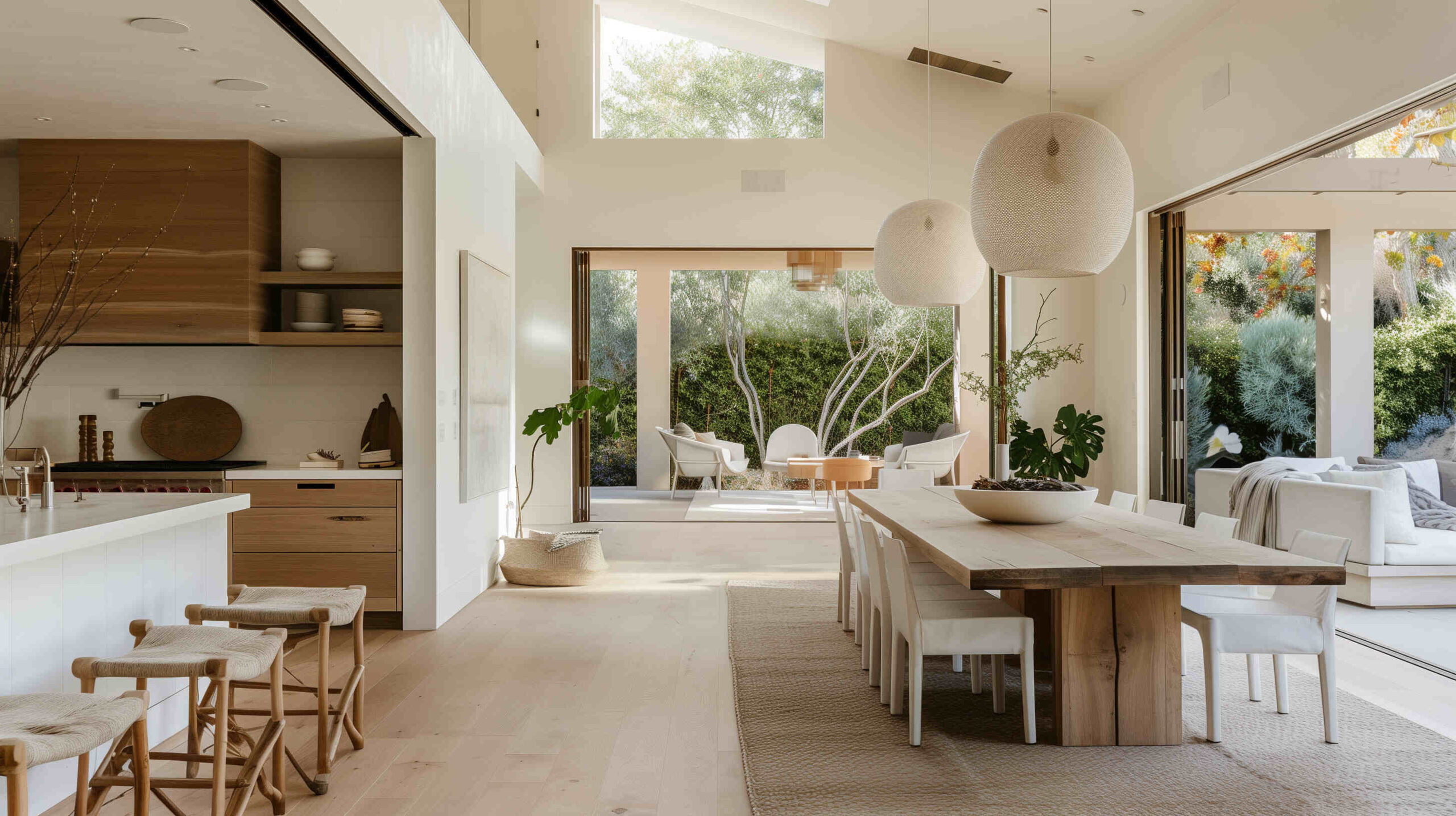
Spatial planning is more than arranging furniture — it’s the silent force behind effortless living, a critical element that distinguishes truly luxurious interiors from merely beautiful ones. For discerning homeowners and design-savvy professionals, interior layout design is not just a design consideration — it’s a lifestyle investment.
<br>
At Sense & Solace Interior Design, we view spatial planning as the blueprint for harmony. It balances structure with ease, rhythm with rest. When done with intention, it’s the art of making a space feel instinctively right — where movement is natural, zones are functional, and every element feels exactly where it should be.
WHY FLOW AND INTERIOR LAYOUT DESIGN MATTER IN LUXURY HOMES
<br>
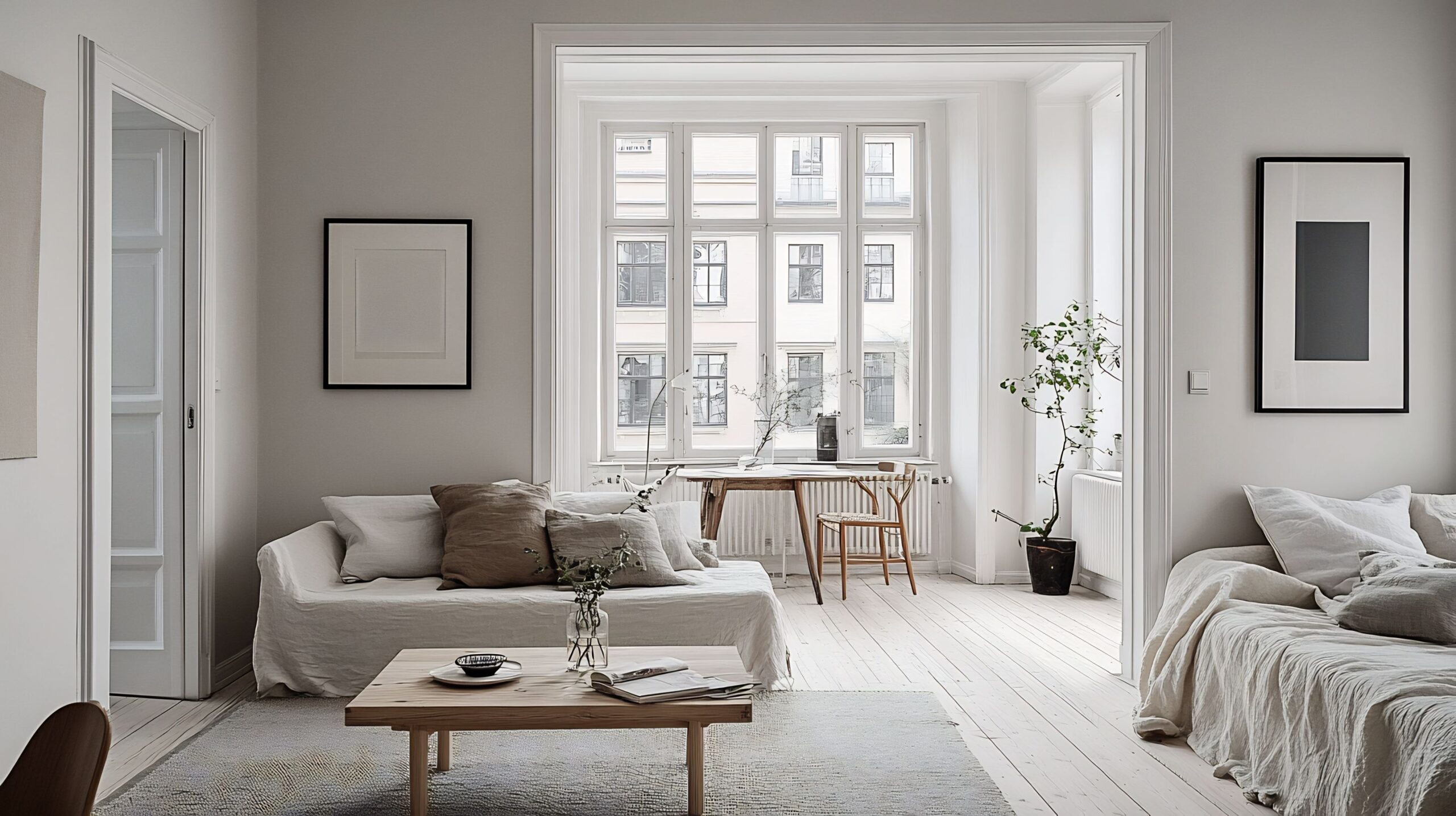
Spatial planning is the strategic organisation of interiors to optimise both functionality and emotional experience. In high-end homes, it’s the foundation of every other decision — from lighting placement to material selection.
<br>
Many of our clients arrive with a strong visual sense of what inspires them. Yet often, their frustration stems from poor layout: underused rooms, awkward circulation paths, or open-plan areas that lack clarity. That’s where interior layout design becomes transformational.
<br>
Whether for a busy executive or a growing family, functional interior design begins by observing lifestyle patterns. How you enter your home, where you pause, how you transition from work to rest — these are the daily rhythms that should guide every spatial decision.
<br>
Our role is to interpret these needs and translate them into a home that feels calm, intuitive, and complete.
OPTIMISING HOME LAYOUT: HOW TO ENHANCE SPATIAL FLOW
<br>
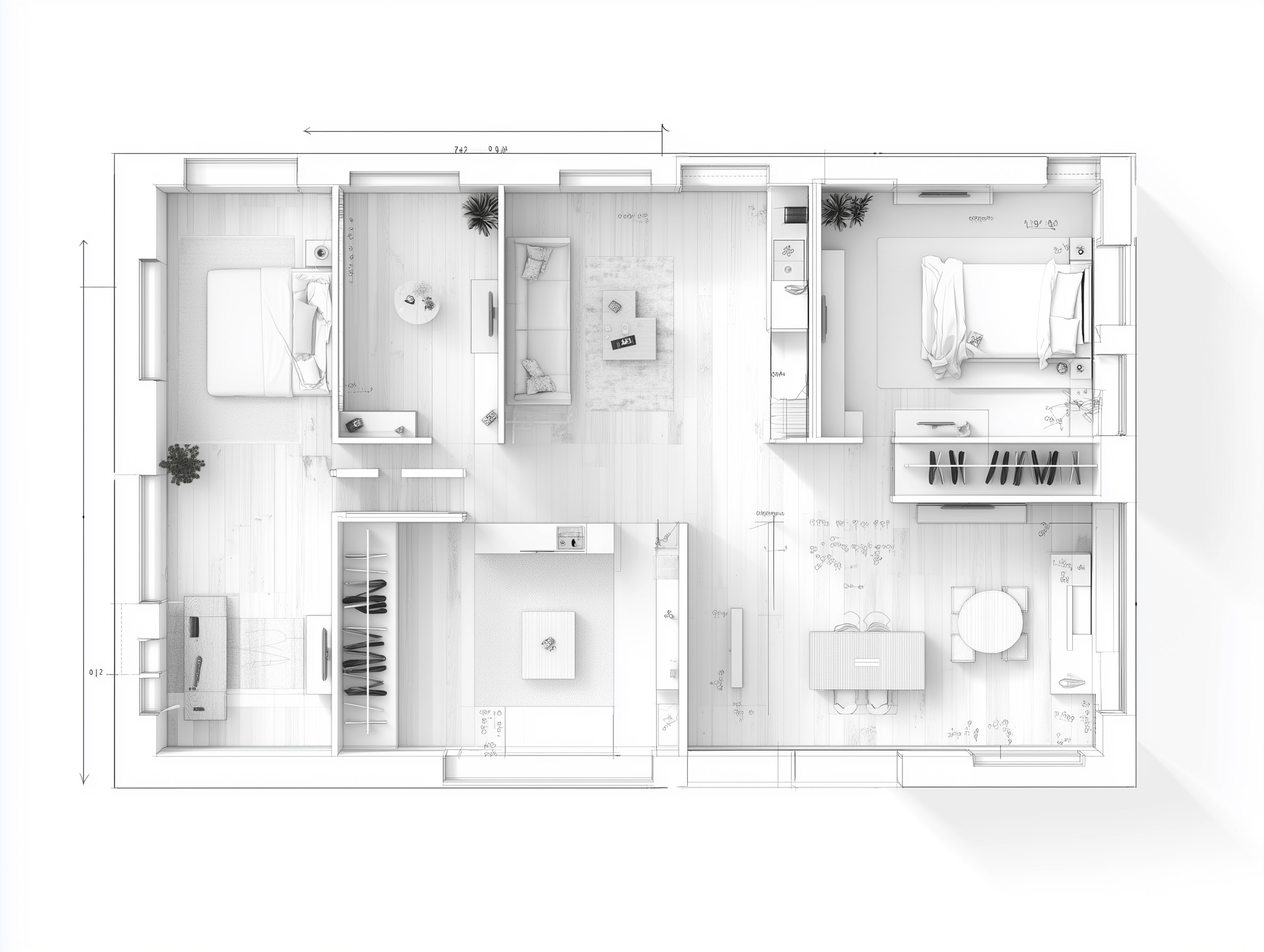
In luxury interiors, flow is everything. It’s the invisible thread that connects one space to the next — promoting ease, visual clarity, and emotional calm. When home layout design is executed with precision, your space doesn’t just function better — it feels better.
<br>
Spatial planning should be based on a set of fundamental principles:
<br>
Zoning with intention
Using furniture, rugs, and architectural cues to define areas for entertaining, relaxation, or focus —especially in open-plan living.
<br>
Maximising circulation space
Ensuring rooms aren’t overfilled, allowing at least 75–100 cm of clearance for smooth movement.
<br>
Balancing proportion
Selecting furniture and fittings in scale with the room, creating elegance without excess.
<br>
Supporting lifestyle flow
Designing from your routines: morning rituals, family dinners, solo wind-downs.
<br>
Whether you’re optimising a compact London flat or a spacious Lisbon townhouse, good design starts with flow.
<br>
REAL-WORLD INSIGHT: PLANNING WITH PURPOSE
<br>
In a recent project, a family of four struggled with a home that looked beautiful — but felt fragmented. Their large footprint offered potential, yet lacked coherence. Formal spaces remained unused, while high-traffic areas felt overrun and under-planned.
<br>
Through refined spatial planning and minimal structural changes, we transformed their space:
<br>
- The underused sitting room became a dual-purpose library and guest room.
- A breakfast nook created a peaceful buffer between the kitchen and living area.
- Circulation paths were widened, and furniture placement adjusted for visual flow and real-life movement.
<br>
The result? A home that didn’t just reflect their style, but supported their life — with ease, elegance, and clarity.
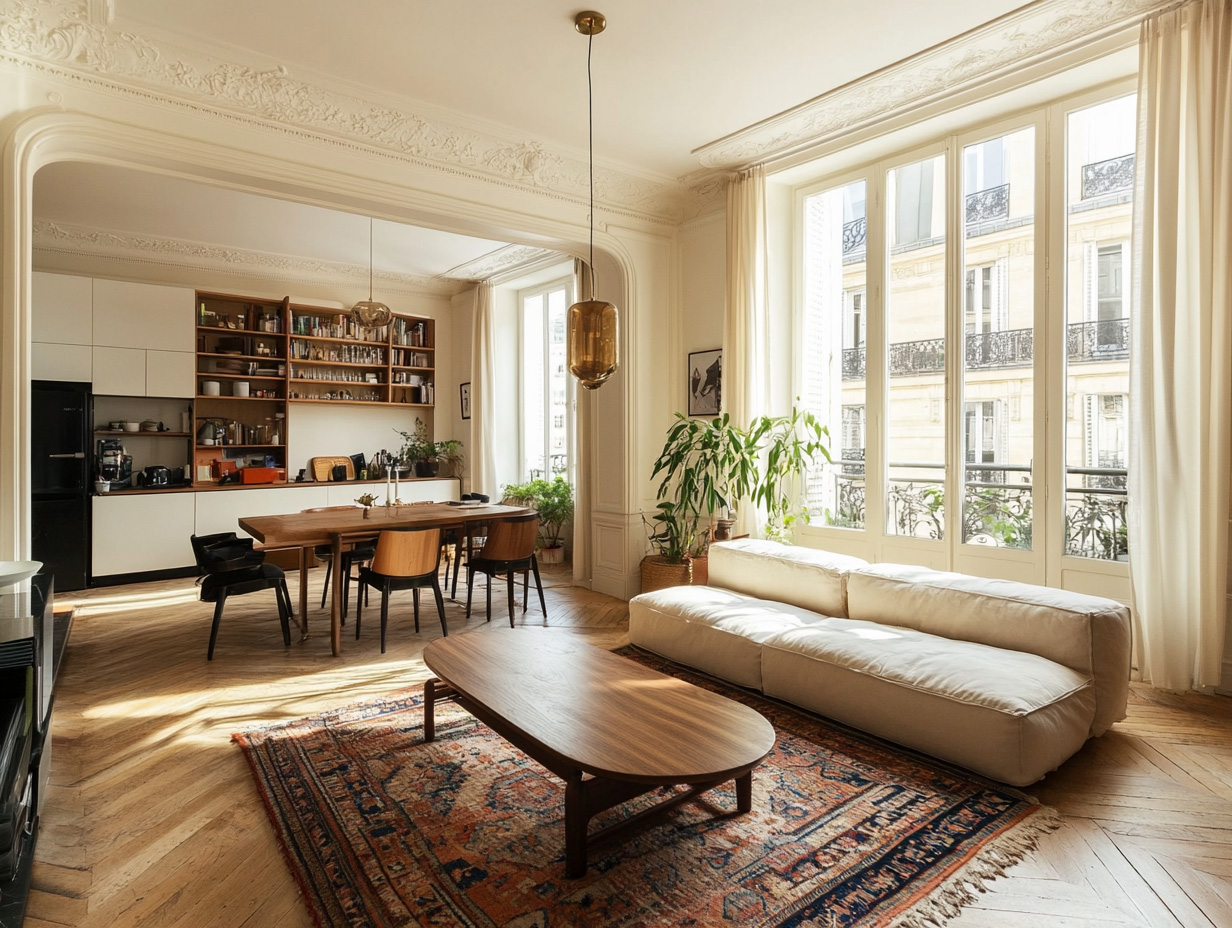
HOW TO BEGIN OPTIMISING YOUR HOME LAYOUT
<br>
While professional planning offers the greatest impact, there are steps you can take today to enhance your space:
<br>
- Observe Your Flow: Where do you hesitate or feel resistance in your home? These friction points signal layout inefficiencies.
- Define Clear Zones: Use lighting, texture, or layout shifts to establish distinct purposes within open areas.
- Scale Mindfully: Choose furniture that breathes with the room; neither overbearing nor underwhelming.
- Let Light Lead: Position mirrors and openings to extend natural light and guide visual flow.
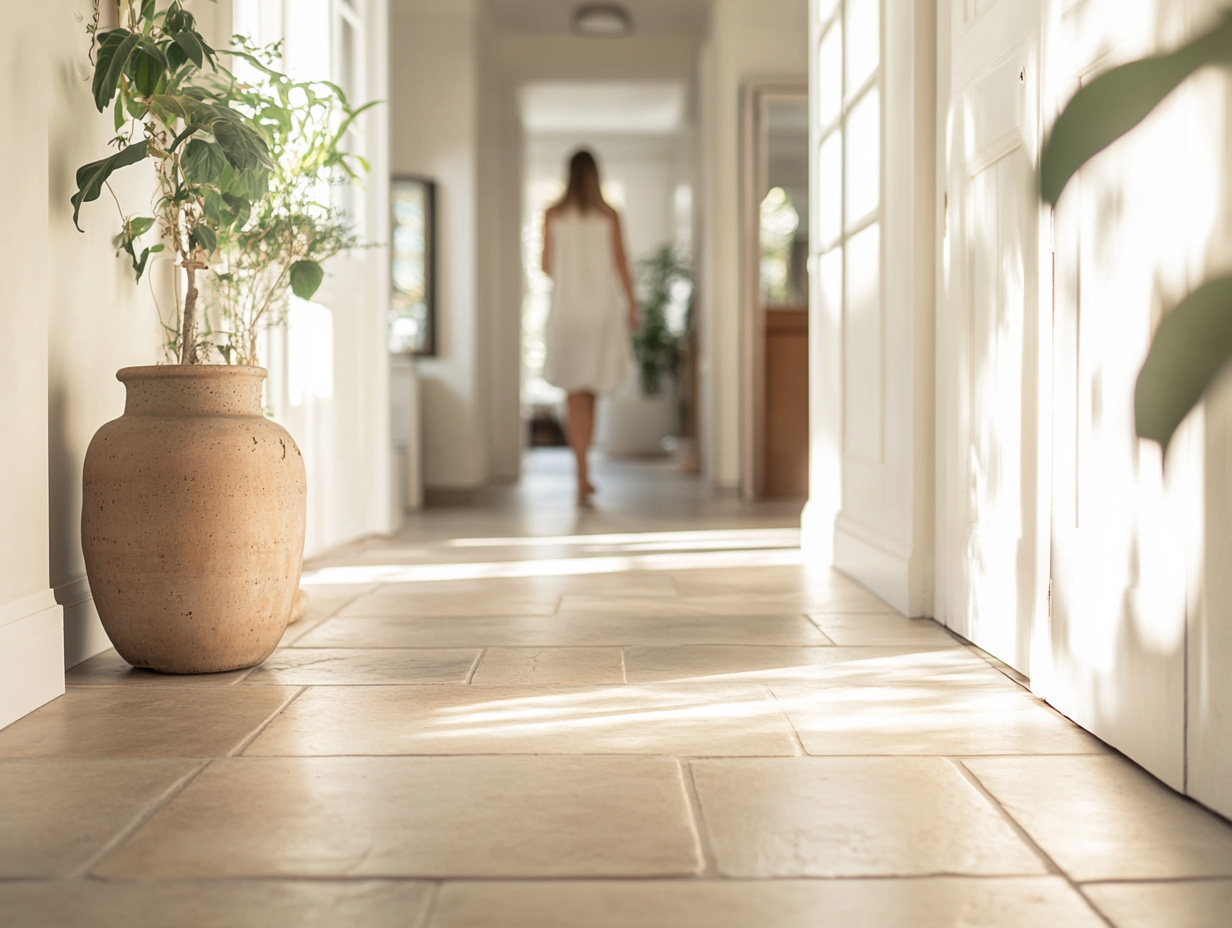
- Simplify Transitions: Avoid clutter in passageways and entries; these transitional spaces are essential to calm flow.
<br>
You don’t need more space—you need space that works better. That’s what optimising home layout truly means.
<br>
PERSONAL REFLECTION
<br>
At Sense & Solace, we begin every project not with fabric swatches or colour palettes, but with questions: How do you live? What do you value? Where do you feel most yourself?
<br>
From there, we shape interiors that elevate your day-to-day experience. Through spatial planning, we bring form and feeling into balance. Because true luxury isn’t just seen — it’s felt.
FREQUENTLY ASKED QUESTIONS
<br>
Q: What is spatial planning in interior design?
A: It’s the strategic organisation of space to enhance both function and emotional experience, using zoning, circulation, and layout design.
<br>
Q: WHY IS INTERIOR DESIGN LAYOUT DESIGN SO IMPORTANT IN LUXURY HOMES?
A: Because it ensures your space feels intuitive, balanced, and reflective of your lifestyle — not just visually appealing.
<br>
Q: Can I optimise my home layout without major renovations?
A: Absolutely. With professional guidance or thoughtful planning, you can improve flow, proportion, and zoning in existing spaces.
<br>
READY TO REIMAGINE THE FLOW OF YOUR HOME?
<br>
If your home feels visually lovely but functionally frustrating, spatial planning might be the missing piece.
<br>
At Sense & Solace, we specialise in designing interiors that feel as good as they look — spaces where elegance meets function, and daily life flows with ease.
<br>
Book a discovery call to discover how layout-led design can elevate your home into a sanctuary of sophistication.
