

Quiet Luxury Interior Design, Minus the Chill
20 January 2025
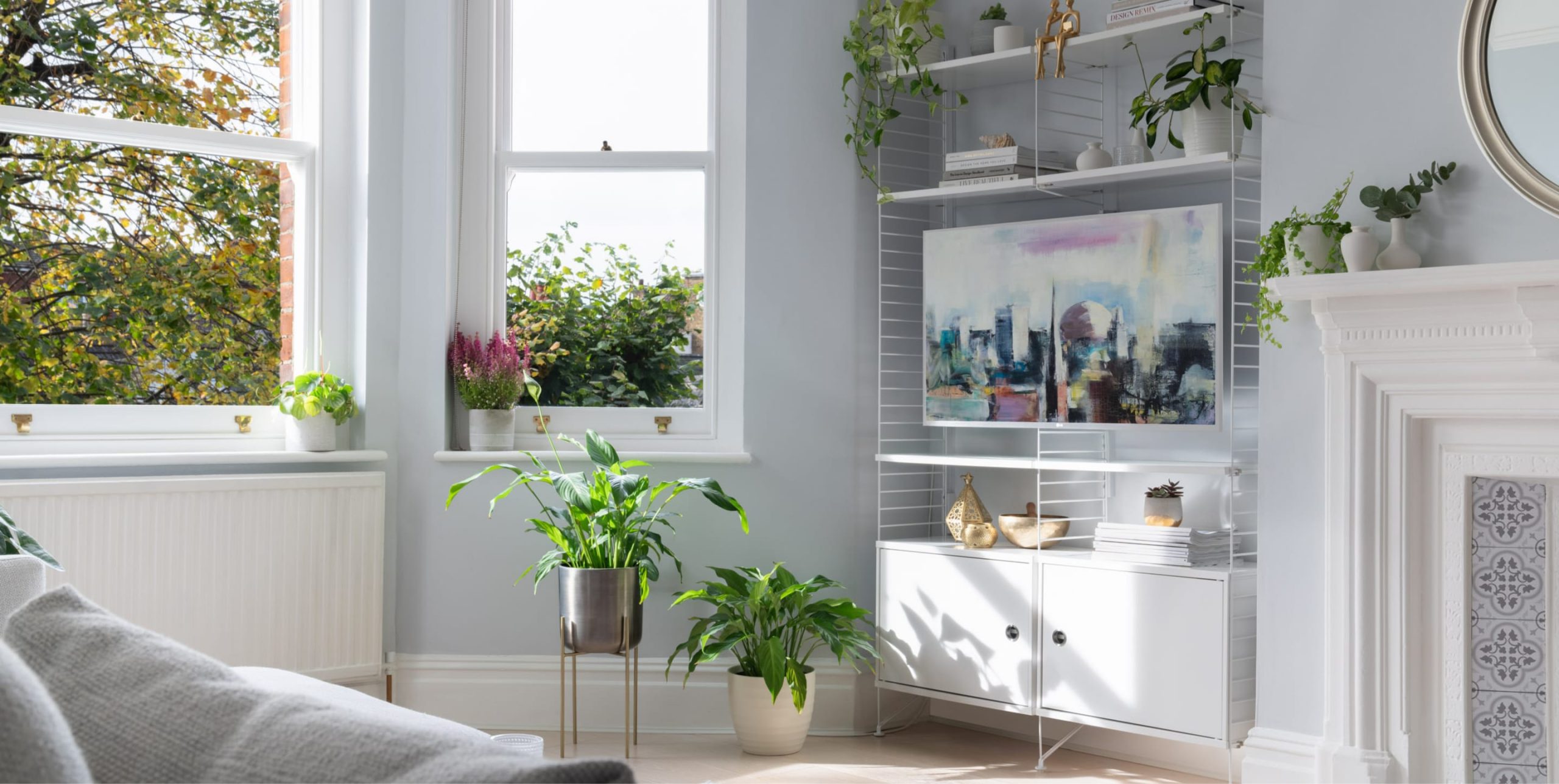
Quiet luxury interior design earns its name when restraint has weight — a room that's been edited, not simply emptied. It loses the plot the moment "quiet" gets mistaken for "blank," and that's precisely the complaint gathering pace this year: interiors polished enough for a catalogue shoot, with nobody who actually lives there visible anywhere in the room.
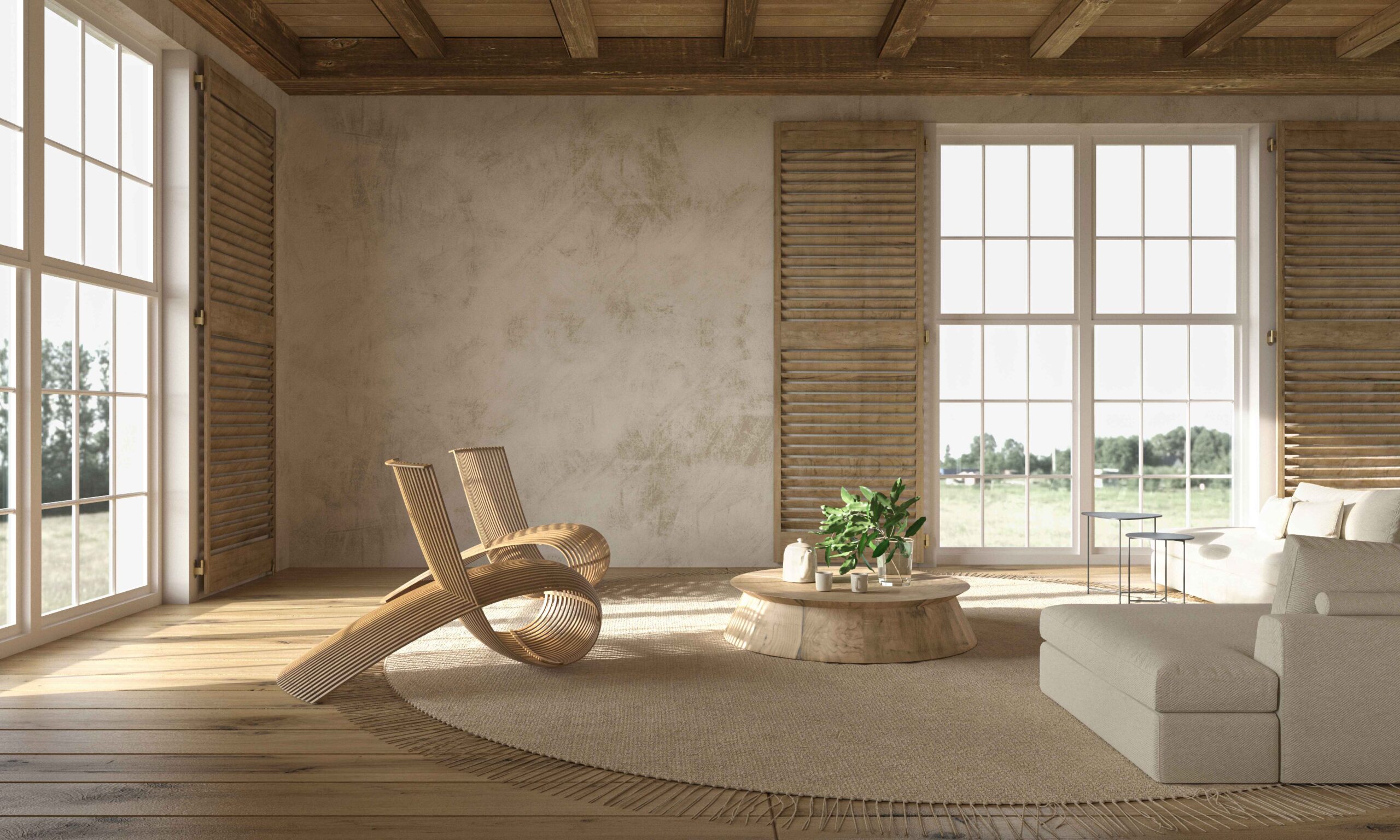
What does “quiet luxury” actually mean?<br>
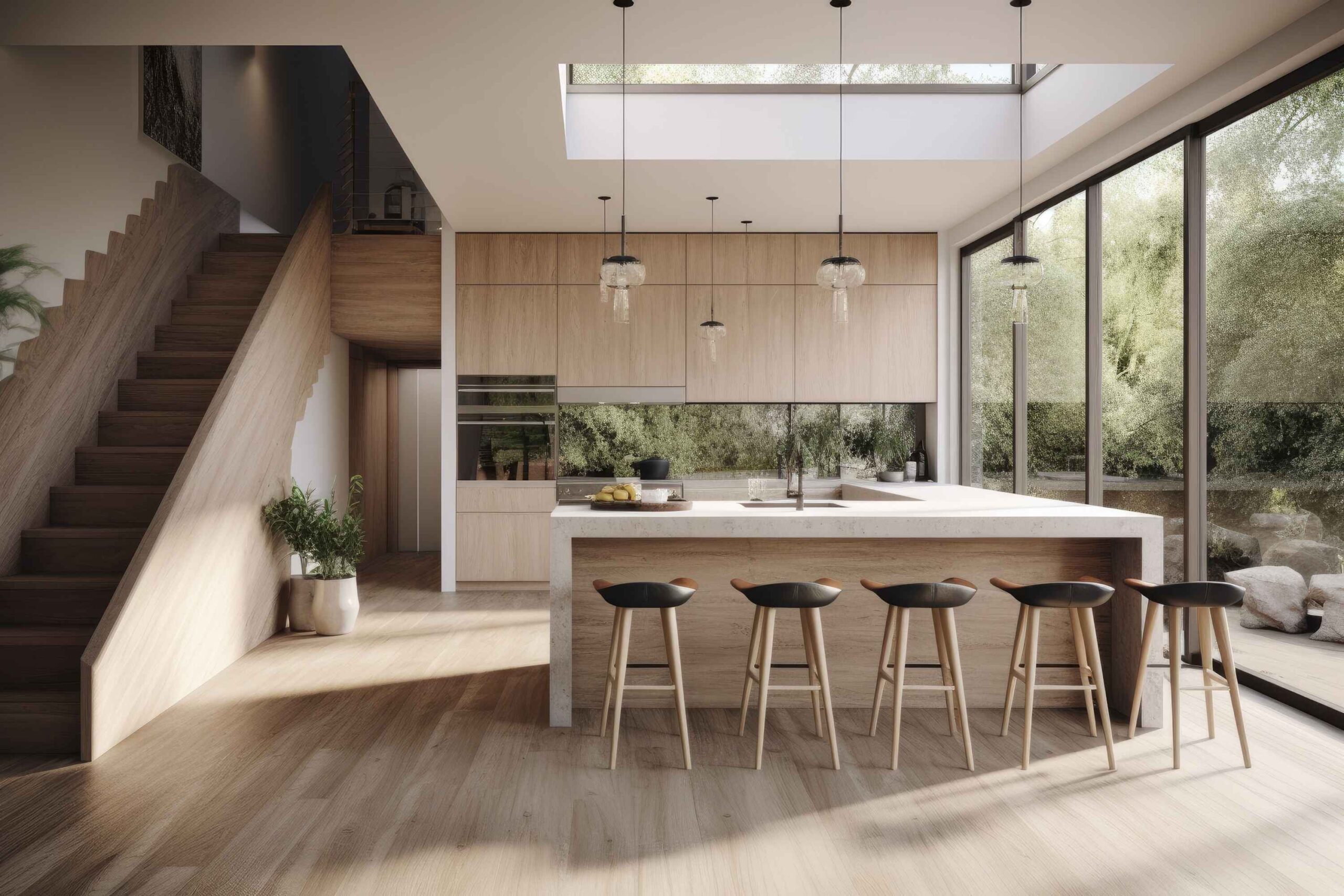
</br>The phrase arrived by way of fashion — dressing that signals wealth through quality rather than logos — and interior design borrowed it wholesale. In a home, it translates to natural materials over synthetic ones, proportion over ornament, and craftsmanship you notice on the second look rather than the first. None of that is new. It’s simply what considered European design has always done; the label is new, the discipline isn’t.
<br>
Why does quiet luxury sometimes feel cold?<br>
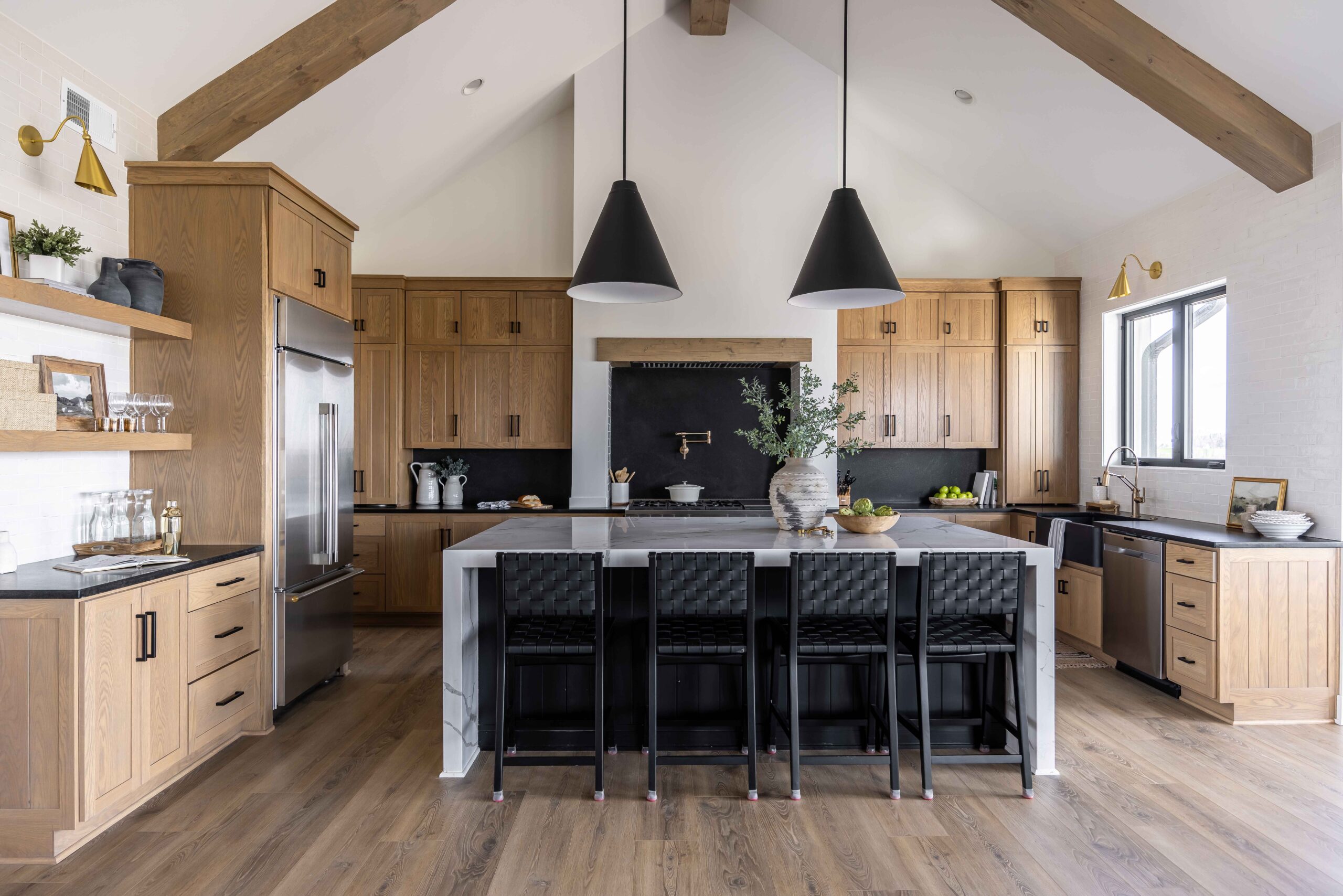
</br>Because “restrained” gets treated as a licence to remove, rather than a discipline for choosing. Strip out colour, pattern and anything with a story, and you’re left with a room that photographs beautifully and says nothing about the person who paid for it. That’s minimalism wearing quiet luxury’s clothes — and it’s the version currently under fire. The fix isn’t adding more. It’s choosing pieces that carry weight: an object with provenance, a material that ages rather than just wears, a colour with some depth to it rather than a “safe” neutral chosen because nothing could possibly go wrong.
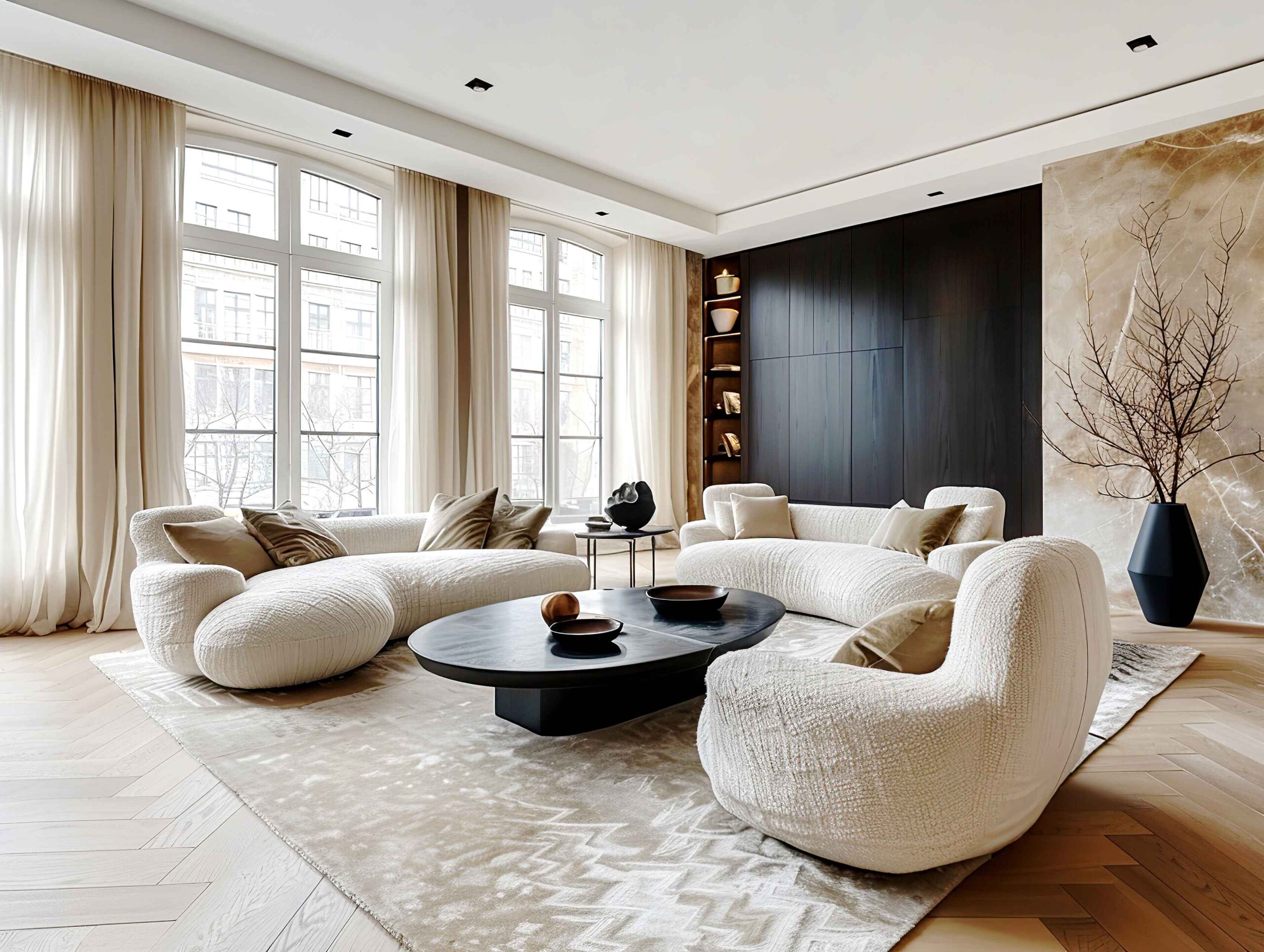
Quiet luxury vs minimalism: what’s the actual difference?<br>
<br>They get used interchangeably, and shouldn’t be. Minimalism is a rule about quantity: fewer things, less colour, less pattern. Quiet luxury is a rule about quality: better materials, more considered proportion, less compromise. A minimalist room can absolutely feel quiet luxury; a quiet luxury room doesn’t have to be minimalist at all. The confusion is where most of the “cold” complaints start: someone reaches for “less” when the brief actually called for “better.”
<br>
Is quiet luxury still relevant, or has it had its moment?<br>
<br>Genuinely relevant — but the phrase has been stretched thin enough to mean almost anything, which is exactly why some critics are calling it done. What’s actually happening is a correction, not an ending: 2026 design coverage is increasingly describing interiors as “considered calm” or “found luxury” — rooms built around personal history rather than a mood board. That’s not a rejection of restraint. It’s restraint with a memory. Which, for what it’s worth, is a position Sense & Solace has held since before it had a name for it: uncluttered doesn’t mean empty, and elegant was never supposed to mean boring.
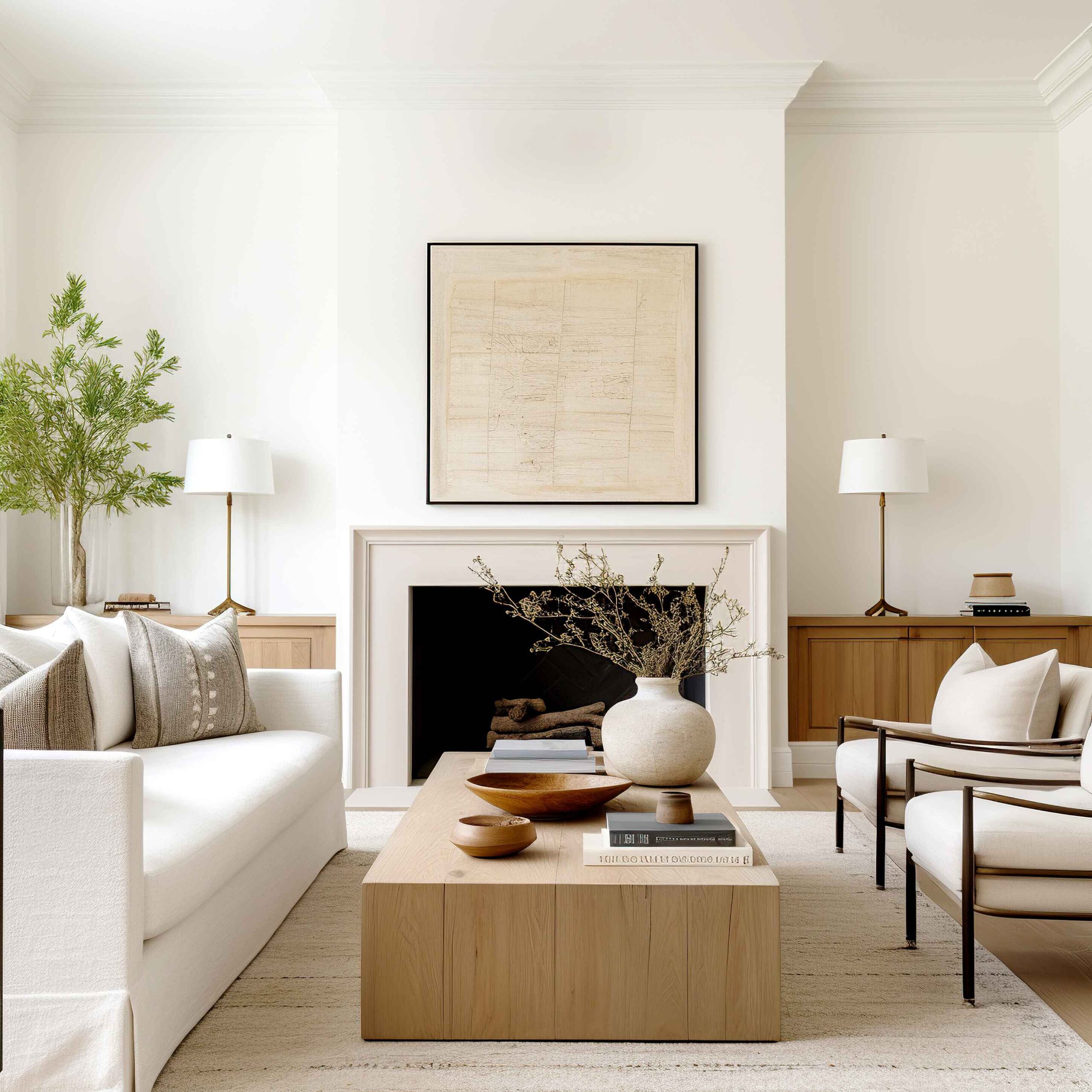
Where the warmth actually comes from<br>
</br>A room reads as quiet luxury rather than just quiet when three things are doing their job at once.
<br>
1. Texture, layered rather than matched
<br>
Linen next to raw wood next to honed stone works because none of them are trying to be the same thing. Uniformity is what makes a room feel showroom-cold; contrast in texture is what makes it feel touched.
<br>
</br>2. Light that’s been designed, not just installed
</br>
A room lit only from the ceiling reads flat by six in the evening, regardless of how good the sofa is. Warmth is as much a lighting decision as a material one.
<br>
</br>3. Objects with a reason to be there
<br>
Not clutter, and not a curated “collected” look bought in one afternoon either — but the handful of things that earn a permanent spot because they mean something, not because they matched the cushions.
<br>
</br>What this looks like in practice
<br>
Picture a living room built around a pale limewashed wall, a single deep-toned wool rug, and one piece of furniture with real history to it — inherited, or found, rather than ordered new. That’s the shape of the thinking: restraint as the frame, not the whole room. It’s also, not coincidentally, the difference between a home that photographs well and one that actually lowers your shoulders when you walk in.
<br>
That’s the standard we hold every project to, whichever city it’s in and whatever size it started as: a full renovation or one stubborn room. Quiet luxury done properly isn’t a look you buy. It’s a set of decisions, made with care, that happen to add up to something beautiful.
<br>
</br> If you’re planning a more considered home, start with a conversation. Book a discovery call today and experience the art of elevated living.
<br>
</br>FAQ
<br>
Is quiet luxury interior design still a trend?
<br>
Yes — though the phrase is increasingly being replaced by terms like “considered calm” and “found luxury,” which are really quiet luxury with more personal history built back in.
<br>
</br>How do I stop my quiet luxury home feeling cold?
<br>
Layer texture rather than matching it, design lighting rather than just installing it, and keep only the objects that genuinely mean something to you.
<br>
</br>Is quiet luxury the same as minimalism?
<br>
No. Minimalism is about how much you have; quiet luxury is about the quality of what you keep.
<br>
</br>Does quiet luxury work in a family home?
<br>
Yes, when it’s planned around how the household actually lives, not just how a photograph should look.
<br>
<br>